
Global Biometric Docs
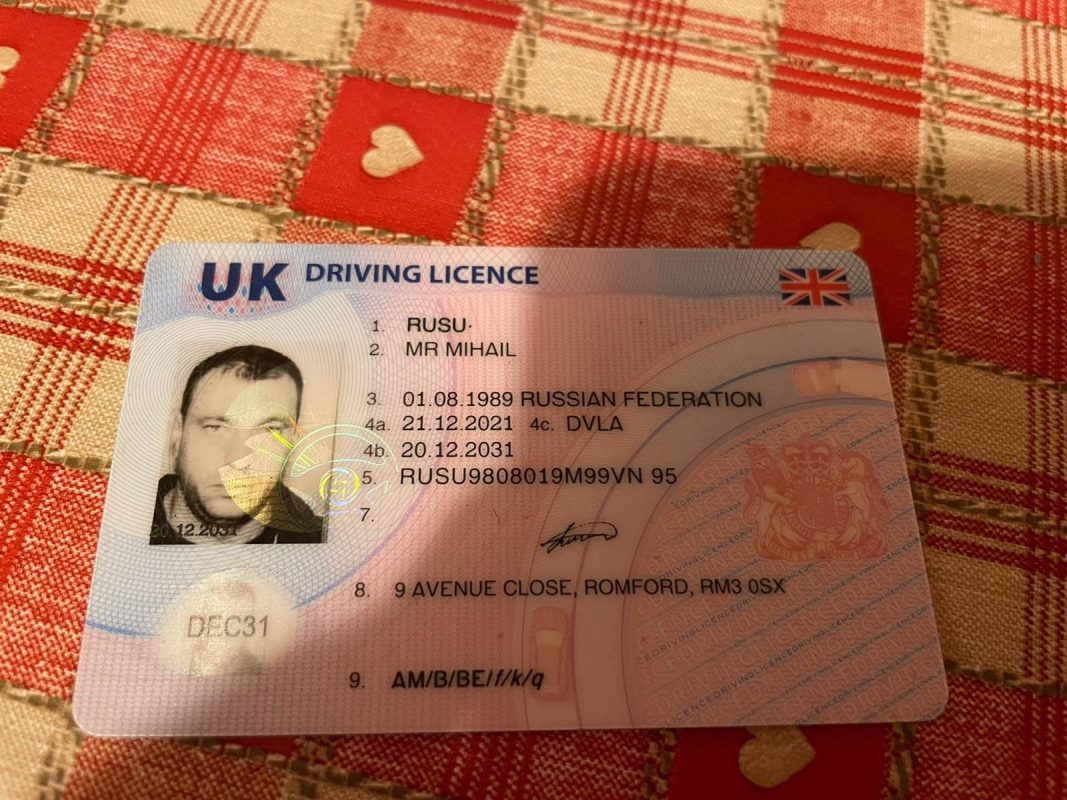
UK Driving Licence
Aug
A UK driving licence is an official document that allows you to drive legally in the United Kingdom. Here’s a general overview of what you need to know:
Types of Licences
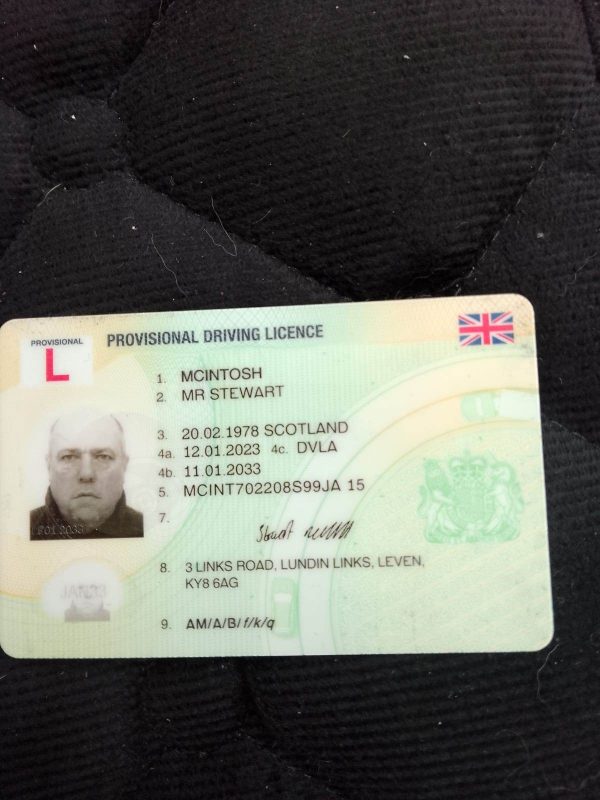
- Provisional Licence: For learner drivers. It allows you to practice driving under certain conditions and is a prerequisite for taking driving lessons.
- Full Licence: Issued after passing the driving test. It allows you to drive independently.
Getting a Provisional Licence
- Eligibility: You must be at least 17 years old (16 for mopeds).
- Application: You can apply online or by post. You’ll need proof of identity, your National Insurance number, and a passport-sized photo.
- Cost: There’s a fee, which you can find on the DVLA (Driver and Vehicle Licensing Agency) website.
Taking the Driving Test
- Theory Test: Includes multiple-choice questions and a hazard perception test.
- Practical Test: Tests your ability to drive safely and competently on the road. It includes a driving section and a manoeuvre section.
After Passing the Test
- Full Licence: You’ll receive a full driving licence which allows you to drive on your own.
- Updating Details: If you change your address or name, you need to update your details with the DVLA.
Points and Penalties
- Penalty Points: Accumulating 12 or more points on your licence within a three-year period can result in disqualification.
- Fines: You may face fines for various driving offences, which can also affect your insurance premiums.
Renewals and Changes
- Renewal: Your licence must be renewed every 10 years, or sooner if you reach 70 or if you have medical conditions affecting your ability to drive.
- Changes: Notify the DVLA of changes such as your address or medical conditions.
For the most accurate and up-to-date information, checking the DVLA’s official website or contacting them directly is always a good idea.
The DVLA, or Driver and Vehicle Licensing Agency, is a government department in the United Kingdom responsible for maintaining the database of drivers and vehicles. Here’s an overview of what the DVLA does and how it might be relevant to you:
Key Functions of the DVLA
- Issuing Licences:
- Driving Licences: Issues provisional and full driving licences.
- Vehicle Licences: Manages vehicle registrations and tax discs (though the physical tax disc is no longer issued, the DVLA still manages the system electronically).
- Vehicle Registration:
- Registering Vehicles: Responsible for registering vehicles and issuing registration plates.
- Keeping Records: Maintains a record of all registered vehicles and their owners.
- Enforcement and Penalties:
- Driving Offences: Issues penalty points and deals with disqualifications.
- Fines and Charges: Manages the collection of fines and fees related to driving and vehicle ownership.
- Driver and Vehicle Information:
- Providing Information: Offers various services, such as checking vehicle tax and MOT status online.
- Updating Records: Handles changes in personal details like address or name for both drivers and vehicles.
Key Services Offered
- Online Services:
- Apply for or Renew Licences: You can apply for a provisional or full driving licence, renew your existing licence, or replace a lost or stolen licence online.
- Vehicle Tax: Pay for vehicle tax and check your vehicle’s tax status.
- MOT and Tax Check: Verify the MOT status and tax details of a vehicle.
- Contact Information:
- Website: The DVLA’s official website is gov.uk/dvla.
- Phone: For specific inquiries, you can contact DVLA customer services. The contact numbers are available on their website.
- Address Changes:
- If you move house or change your name, you must inform the DVLA to update your records. This can be done online for most changes.
- Medical Conditions:
- Report Conditions: If you have a medical condition that affects your ability to drive, you must report it to the DVLA.
Common Applications and Requests
- Provisional Licence: Apply online or by post, including passing the theory test and a vision test.
- Full Licence: Once you pass your driving test, you’ll receive a full licence.
- Vehicle Registration: New vehicles must be registered before they can be driven.
- Licence Renewal: Renew your licence every 10 years or sooner if required.
For the most current information and to access services, visiting the DVLA’s official website or contacting them directly is recommended.
The driving test in the UK is designed to ensure that you have the necessary skills and knowledge to drive safely and competently. The test is divided into two main parts: the theory test and the practical driving test. Here’s a detailed overview:
1. Theory Test
Components:
- Multiple-Choice Questions: Tests your knowledge of road signs, rules of the road, and driving laws. You’ll be asked 50 questions, and you need to score at least 43 correct answers to pass.
- Hazard Perception Test: Assesses your ability to identify and react to potential hazards on the road. You’ll watch a series of video clips and need to click when you spot a developing hazard. You need to score at least 44 out of 75 to pass.
Booking and Preparation:
- Booking: You can book the theory test online through the DVSA (Driver and Vehicle Standards Agency) website or by phone.
- Preparation: Use study guides, apps, and practice tests available online or in bookshops. The DVSA website offers official resources.
2. Practical Driving Test
Components:
- Driving Ability: Demonstrates your ability to drive safely in various conditions and follow road rules. The test lasts about 40 minutes.
- Manoeuvres: You will be required to perform specific manoeuvres, such as parallel parking, bay parking, or a three-point turn. These manoeuvres are assessed to ensure you can handle different driving situations.
- Independent Driving: You’ll be asked to drive independently for around 20 minutes. This could involve following road signs or a simple map provided by the examiner.
- Safety Questions: Before you start driving, the examiner will ask you two “show me, tell me” questions. These involve demonstrating or explaining basic vehicle maintenance tasks (e.g., checking oil level, how to use the windscreen washer).
Booking and Preparation:
- Booking: After passing the theory test, you can book the practical test online or by phone through the DVSA. It’s best to book well in advance as waiting times can vary.
- Preparation: Take lessons with a qualified driving instructor who will help you prepare for the test. They can give you feedback and simulate test conditions.
Test Day:
- What to Bring: Bring your provisional driving licence, a booking confirmation, and any necessary documents. Ensure your vehicle is in good working order and meets the test requirements.
- Conduct: The test will be conducted by a DVSA examiner. They will assess your driving and provide feedback at the end.
Pass Rates and Retakes:
- Pass Rates: Pass rates vary, but preparation and practice can significantly improve your chances.
- Retakes: If you fail, you can retake the test. You’ll need to book a new test and may want to take additional lessons to address areas where you struggled.
Useful Tips:
- Practice: Regular practice with a qualified instructor will help build confidence and improve your driving skills.
- Stay Calm: On the day of the test, stay calm and focused. It’s normal to feel nervous, but good preparation will help you perform well.
- Vehicle Requirements: Ensure the car you use for the test is roadworthy and insured.
For the most accurate and updated information, check the DVSA’s official website or consult with your driving instructor.
A provisional driving licence in the UK allows you to learn to drive and practice with a qualified instructor or a supervising driver. It’s a crucial step towards obtaining a full driving licence. Here’s what you need to know about it:
Applying for a Provisional Licence
Eligibility:
- Age: You must be at least 17 years old (or 16 for mopeds and some other vehicles).
- Residency: You need to be a resident of the UK, the European Union (EU), or the European Economic Area (EEA).
- Medical Fitness: You should meet the medical standards required for driving. If you have a medical condition affecting your ability to drive, you may need to provide additional information.
How to Apply:
- Online: The easiest way is to apply online through the GOV.UK website. You’ll need a valid UK passport or another form of identity, your National Insurance number, and a digital passport-style photo.
- By Post: Alternatively, you can apply by post using the D1 application form, available from the DVLA or post offices. Send the completed form, proof of identity, and a photo to the DVLA.
Documents Required:
- Proof of Identity: A valid UK passport or other accepted documents.
- Address Details: Proof of your current address.
- Photo: A passport-sized photo if applying by post.
Cost:
Using a Provisional Licence
Learning to Drive:
- Supervised Driving: You can drive with a qualified driving instructor or a supervising driver who is over 21 and has held a full driving licence for at least three years.
- L Plates: You must display “L” plates (or “D” plates in Wales) on the front and back of your vehicle when driving.
Driving Restrictions:
- No Driving Alone: You cannot drive alone; you must be accompanied by a qualified driver.
- No Motorways: You are not permitted to drive on motorways until you have passed your driving test, although you can practice on motorways if you are with an approved driving instructor.
Driving Lessons and Test:
Learning:
- Driving Lessons: Book lessons with a qualified driving instructor to prepare for your driving test.
- Theory Test: Pass the theory test before you can take the practical driving test. It includes a multiple-choice section and a hazard perception section.
Practical Test:
- Booking: Once you’re ready, book the practical driving test. You must pass the theory test first.
- Test: The practical test assesses your driving skills and ability to perform specific manoeuvres safely.
After the Test:
Obtaining a Full Licence:
- After passing the practical test, you can exchange your provisional licence for a full driving licence. The DVLA will issue your full licence.
Updating Details:
- If you move house or change your name, you need to update your details with the DVLA.
Additional Notes:
- Provisional Licence Validity: The provisional licence is valid for 10 years. Ensure you renew it if necessary before it expires.
- International Drivers: If you’re a visitor or have a foreign driving licence, you may need a provisional licence to take lessons or tests in the UK.
For the most up-to-date information and to access online services, visit the DVLA website.
Congratulations on passing your theory test! Here’s what you need to know about your next steps and how to use your theory test results:
Next Steps After Passing the Theory Test
- Booking the Practical Test:
- Eligibility: You must pass the theory test before you can book the practical driving test.
- Booking: You can book the practical test online through the DVSA website. Have your theory test pass certificate number and your provisional driving licence details handy.
- Preparing for the Practical Test:
- Driving Lessons: Continue taking lessons with a driving instructor to prepare for the practical test.
- Mock Tests: Consider taking mock driving tests to simulate test conditions and identify areas for improvement.
- Keeping Your Theory Test Results:
- Certificate: Keep your theory test pass certificate safe. You might need to provide this information when booking your practical test or when you pass your practical test.
Understanding Your Theory Test Results
- Theory Test Pass Certificate: After passing, you’ll receive a theory test pass certificate, which includes your unique certificate number. This certificate is valid for two years.
- Validity: Your theory test results are valid for two years. If you do not pass your practical test within this period, you will need to retake the theory test.
If You’ve Passed the Theory Test:
- Check Your Test Pass Certificate:
- Ensure all details are correct and keep it in a safe place.
- Practical Test Preparation:
- Use your theory knowledge in practice by focusing on safe driving practices and understanding road signs and rules.
- Booking the Practical Test:
- Online Booking: Use the DVSA online booking system to schedule your practical test. You will need to log in with your personal details and select a convenient date and location.
- Availability: Test dates may be in high demand, so book as early as possible to get a slot that fits your schedule.
If You Need to Retake the Theory Test:
- Booking a Retake:
- Booking: You can book another theory test online through the
- Preparation: Use study materials, apps, and practice tests to prepare thoroughly for your retake.
- Retake Fee:
- Cost: You’ll need to pay for each attemptt. Check the globalbiometricdocs.UK for the latest fee information.
Useful Links:
- DVSA Theory Test Information: Theory Test Overview
- Book Practical Test: DVSA Booking System
- Practice Theory Test Questions: Practice Tests
For any specific questions or if you need further assistance, you can also contact the DVSA directly or consult their website for more information.
Practicing for your driving theory test is crucial to ensure you’re well-prepared. Here are some resources and methods to help you effectively practice for both the multiple-choice and hazard perception sections:
1. Official DVSA Resources
- DVSA Theory Test Kit: The DVSA provides official practice materials, including books and apps that mirror the content of the actual test. These can be very useful for familiarizing yourself with the format and types of questions you’ll encounter.
2. Online Practice Tests
- GOV.UK Practice Test: The official government website offers practice questions and information about the theory test. It’s a good starting point for understanding the format and content of the test.
- Driving Test Success: Offers free and paid practice tests, including multiple-choice questions and hazard perception clips. They also provide apps for practice on the go.
- Theory Test Pro: An online resource that provides practice tests, including the full set of DVSA questions and hazard perception videos. It often includes features like progress tracking.
3. Mobile Apps
- DVSA Official Theory Test Kit: Available for both iOS and Android, this app includes practice questions and hazard perception videos.
- Driving Theory Test 4 in 1 Kit: Available on Google Play, this app provides practice questions, hazard perception clips, and study materials.
- iTheory Test: Available on the App Store, this app includes practice questions and hazard perception tests.
4. Practice Books
- The Official DVSA Theory Test for Car Drivers: This book is published by the DVSA and includes practice questions and answers.
- Driving Test Success All Tests: A comprehensive guide that includes theory test questions, hazard perception clips, and practical driving advice.
5. Hazard Perception Practice
- Hazard Perception Practice Videos: Websites and apps that simulate the hazard perception part of the test with video clips. This practice helps you identify potential hazards and react appropriately.
- YouTube Videos: Look for practice videos and tutorials that demonstrate hazard perception clips and strategies for scoring well.
6. Study Tips
- Regular Practice: Consistent practice helps reinforce your knowledge and improves your confidence. Set aside time each day to work through practice questions and hazard perception clips.
- Understand the Content: Focus on understanding the rules of the road, road signs, and driving laws. The more you know, the easier it will be to answer questions correctly.
- Mock Tests: Take full-length mock tests to simulate the test environment and build your test-taking stamina.
7. Additional Resources
- Driver and Vehicle Standards Agency (DVSA): For the most accurate and official information about the theory test.
By using these resources and practice tools, you’ll be well-prepared for your theory test and increase your chances of passing. Good luck!
