
Global Biometric Docs
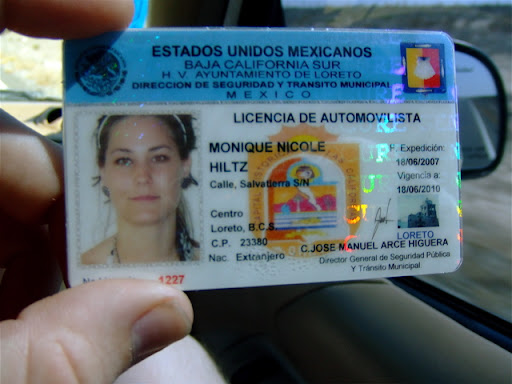
Mexico Driving License
Aug
Obtaining a driving license in Mexico involves several steps and requirements, which can vary depending on whether you are a Mexican citizen or a foreign resident. Here’s a comprehensive guide to help you understand the process:
1. Types of Driving Licenses in Mexico
- Licencia de Conducir (Driver’s License): For everyday driving, including private vehicles.
- Licencia de Conducir para Chofer (Chauffeur’s License): For professional drivers operating taxis, buses, or trucks.
- Licencia de Conducir para Motociclistas (Motorcycle License): Specifically for motorcycles.
2. Obtaining a Driving License as a Mexican Citizen
Requirements:
- Identification: A valid official ID (such as a Mexican passport or National ID card).
- Proof of Address: A recent utility bill, bank statement, or similar document showing your address.
- CURP: The Unique Population Registry Code (Clave Única de Registro de Población), which is similar to a social security number.
- Medical Examination: A basic health check-up to ensure you are fit to drive.
- Proof of Residency: If you’ve recently moved, you may need to provide proof of your new address.
Process:
- Study for the Test: Review the road signs, driving rules, and regulations.
- Written Test: A written exam on traffic laws and road safety.
- Driving Test: An on-road driving test to assess your driving skills. This may include practical driving exercises and manoeuvres.
- Payment: Fees vary by state. Check with your local licensing authority for the exact amount.
- Submit Documents: Provide all required documents at the local licensing office (usually a Secretaría de Movilidad or similar authority).
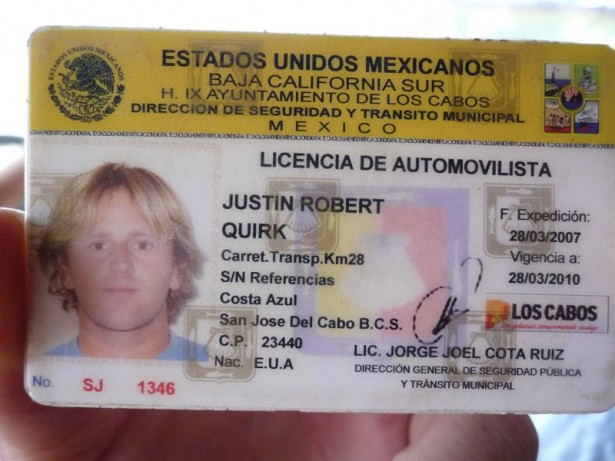
3. Obtaining a Driving License as a Foreign Resident
Requirements:
- Passport: A valid passport from your home country.
- Residency Permit: Proof of legal residency in Mexico (such as a temporary or permanent resident card).
- Mexican Address Proof: Utility bill or similar proof of address.
- Foreign Driver’s License: Sometimes, you may need to present a valid driving license from your home country.
- Medical Examination: A basic health check-up may be required.
Process:
- Translate Your Documents: If your driving license is not in Spanish, you may need to have it translated by a certified translator.
- Written Test: Some states may require a written test, although others might accept a valid foreign license.
- Driving Test: Depending on the state, you might need to take a practical driving test.
- Payment: Pay the necessary fees at the local licensing office.
- Submit Documents: Provide your passport, residency permit, proof of address, and any other required documents.
4. Validity and Renewal
- Validity: Licenses are typically valid for 2 to 5 years, depending on the state and type of license.
- Renewal: To renew, you may need to provide updated proof of address and identity. Renewals usually don’t require retaking the driving test unless otherwise specified.
5. International Driving Permit (IDP)
- If You’re a Tourist: If you plan to drive in Mexico as a tourist, you might need an International Driving Permit (IDP) in addition to your home country’s driving license. The IDP translates your driving credentials into several languages and is usually valid for one year.
6. Additional Tips
- Local Variations: Licensing procedures can vary by state in Mexico, so check with local authorities for specific requirements in your area.
- Language: Most tests and documentation will be in Spanish, so if you’re not fluent, consider getting assistance or translation services
For the most accurate and specific information, contact the local licensing authority in the state where you plan to apply for your driving license.
In Mexico, the national identity system includes several key documents and identification numbers that serve different purposes. Here’s an overview of the main components:
**1. CURP (Clave Única de Registro de Población)
What It Is:
- The CURP is a unique identification code assigned to every Mexican citizen and resident. It’s used for various official and administrative purposes.
Format:
- The CURP consists of 18 characters, including letters and numbers. It is derived from personal information such as name, date of birth, and place of birth.
Uses:
- Government Services: Required for accessing social services, healthcare, and educational institutions.
- Employment: Needed for employment registration and tax purposes.
- Official Documents: Often required for applying for passports, driver’s licenses, and other official documents.
How to Obtain:
- Online: You can request your CURP online through the Mexican government’s CURP website.
- In-Person: You can obtain it from the National Registry of Population (RENAPO) or at various government offices, such as the civil registry office.
**2. INE (Instituto Nacional Electoral) Card
What It Is:
- The INE card is an official identification card issued to Mexican citizens aged 18 and over. It is also used as a voter ID.
Format:
- The INE card includes the holder’s photo, name, CURP, address, and a unique identification number.
Uses:
- Voting: Required to vote in federal elections.
- Identification: Widely accepted as a primary form of identification in Mexico.
How to Obtain:
- Application: You can apply for the INE card at the National Electoral Institute (INE) offices. You will need to provide proof of identity, proof of address, and your CURP.
**3. Passport
What It Is:
- The Mexican passport is an official travel document used for international travel and identification.
Uses:
- Travel: Required for international travel.
- Identification: Used as an official form of identification both domestically and abroad.
How to Obtain:
- Application: Apply through the Mexican Ministry of Foreign Affairs or at consulates abroad. You will need to provide a birth certificate, proof of address, and your CURP.
**4. National Identification Card (Cartilla Nacional de Servicio Militar)
What It Is:
- A document issued to Mexican males aged 18-19 who have completed their mandatory military service.
Uses:
- Identification: Used as an official form of identification and proof of military service.
How to Obtain:
- Application: Apply at the local military recruitment office (Secretaría de la Defensa Nacional).
**5. RIF (Registro Federal de Contribuyentes)
What It Is:
- The RIF is a tax identification number used for tax purposes.
Uses:
- Taxation: Required for business operations and tax filings.
How to Obtain:
- Application: Register with the Mexican Tax Administration Service (SAT).
**6. Additional Documents
- Driver’s License: Also used as a form of identification and for driving purposes.
- Social Security Card: For accessing social security services.
Obtaining and Using Identification
- In-Person Requirements: When obtaining these documents, you may need to visit government offices and provide specific documents (such as proof of address, CURP, and identification).
- Online Services: Some services are available online, but in-person visits may still be required for certain documents.
For the most accurate and updated information on obtaining these documents, visit the official websites of the relevant Mexican government departments or offices.
Getting a driver’s license in Mexico involves a series of steps and requirements. The process can vary slightly depending on the state you are in, but generally, the steps are quite similar throughout the country. Here’s a comprehensive guide to obtaining a driver’s license in Mexico:
1. Determine the Type of License You Need
- Licencia de Conducir (Driver’s License): For everyday driving, including private vehicles.
- Licencia de Conducir para Chofer (Chauffeur’s License): For professional drivers, such as taxi or bus drivers.
- Licencia de Conducir para Motociclistas (Motorcycle License): For motorcycles.
2. Gather Required Documents
For Mexican Citizens:
- Identification: Valid official ID (e.g., Mexican passport or National ID card).
- Proof of Address: Recent utility bill, bank statement, or similar document showing your address.
- CURP: Unique Population Registry Code (Clave Única de Registro de Población).
- Proof of Residency: If recently moved, you may need to provide proof of your new address.
- Medical Examination: Some states require a basic health check-up to ensure fitness for driving.
For Foreign Residents:
- Passport: A valid passport from your home country.
- Residency Permit: Proof of legal residency in Mexico (such as a temporary or permanent resident card).
- Proof of Mexican Address: Utility bill or similar document showing your address in Mexico.
- Foreign Driver’s License: If applicable, you may need to present a valid driving license from your home country.
- Medical Examination: A basic health check-up may be required.
3. Complete the Required Tests
Written Test:
- Content: The written test covers traffic laws, road signs, and driving regulations. Study materials and practice tests are available online and through local driving schools.
- Booking: Check with the local licensing authority or their website to book your written test.
Practical Driving Test:
- Content: The practical test assesses your driving skills and ability to handle different driving scenarios. You may be required to demonstrate specific manoeuvres, such as parking, three-point turns, and lane changes.
- Booking: Schedule your driving test through the local licensing authority.
4. Pay the Fees
- Cost: Fees vary by state and type of license. Check with your local licensing office for the exact fee. Payment is usually made at the licensing office or through a bank.
5. Submit Your Application
- Documentation: Submit all required documents, including proof of identity, proof of address, and CURP.
- Application Form: Complete and submit the application form provided by the local licensing authority.
6. Receive Your License Mexico Driving License
- Issuance: Once you pass the tests and complete all requirements, you will be issued a driver’s license. The process may take a few days, and you may receive a temporary license while you wait for the official one.
7. Special Considerations
- Language: Most tests and documentation will be in Spanish. If you’re not fluent, consider getting assistance or translation services.
- International Driver’s Permit (IDP): If you’re a tourist or planning to drive temporarily, an IDP might be required along with your home country’s driving license.
Useful Contacts
- Local Licensing Authority: Each state in Mexico has its own licensing authority (often under the Secretaría de Movilidad or similar name). Check their website or office for specific procedures and requirements.
- Online Resources: For more information and to find local offices, visit the Mexican government’s official website or the website of the specific state’s transportation department.
By following these steps and ensuring you have all necessary documents and preparation, you’ll be well on your way to obtaining your driver’s license in Mexico.
If you’re an expat or tourist in Mexico and want to drive legally, you’ll need to understand the requirements for obtaining a Mexican driver’s license or using your foreign license. Here’s a guide:
1. Using a Foreign Driver’s License
- Tourists: If you’re visiting Mexico as a tourist, you can typically drive using your valid foreign driver’s license. There’s no need to obtain a Mexican driver’s license for short stays.
- Expats: If you plan to stay in Mexico for an extended period, it’s advisable to obtain a Mexican driver’s license, especially if you have residency status.
2. International Driving Permit (IDP)
- While an IDP isn’t required for driving in Mexico, it can be helpful, particularly if your license isn’t in Spanish or English. The IDP is essentially a translation of your driver’s license and is used in conjunction with your foreign license.
3. Obtaining a Mexican Driver’s License
- Eligibility: You must have legal residency in Mexico (temporary or permanent) to apply for a Mexican driver’s license.
- Requirements:
- A valid passport and residency card.
- Proof of address in Mexico (utility bill, rental agreement).
- Your current driver’s license from your home country (if applicable).
- A medical certificate, which can often be obtained at the licensing office.
- Process:
- Application: Fill out the application form at the local Secretaría de Movilidad (SEMOVI) or equivalent in your state.
- Tests: Depending on your location, you may need to take a written test, driving test, or both. Some states may waive these tests if you already have a valid foreign license.
- Fees: Fees vary by state, but they generally range from $500 to $1,000 MXN.
- Issuance: After passing the required tests and paying the fee, your driver’s license will be issued.
4. Renewing a Mexican Driver’s License
- Mexican driver’s licenses typically need to be renewed every 3 to 5 years, depending on the state. The renewal process is usually simpler than the initial application.
5. Driving Rules and Regulations
- Mexico follows similar driving rules to those in the United States and Canada, but be aware of local variations.
- Always carry your driver’s license, vehicle registration, and insurance when driving.
6. Car Insurance
- It’s mandatory to have car insurance in Mexico. Your foreign insurance might not be valid, so it’s advisable to obtain Mexican auto insurance, which can be purchased online or through agencies in Mexico.
7. Additional Tips
- Familiarize yourself with local traffic laws and road signs, which may differ from those in your home country.
- Be aware of “no driving days” (Hoy No Circula) in certain cities like Mexico City, which restrict driving based on license plate numbers to reduce pollution.
By following these guidelines, you can drive legally and safely during your time in Mexico.
An International Driving Permit (IDP) is an official document that allows you to drive in foreign countries without needing to obtain a local driver’s license. It’s essentially a translation of your home country’s driver’s license into multiple languages, making it easier for foreign authorities to verify your driving credentials.

Key Points about the International Driving Permit (IDP):
1. Who Needs an IDP?
- Tourists: If you’re traveling to a country where your driver’s license might not be recognized or is not in the local language, an IDP can be very useful.
- Expats: For longer stays, it’s advisable to get a local driver’s license in addition to having an IDP, especially if required by the host country.
2. How to Get an IDP:
- Eligibility: You must have a valid driver’s license from your home country.
- Application Process:
- IDPs are issued by authorized agencies in your home country, such as automobile associations (e.g., AAA in the United States, CAA in Canada, or the AA in the UK).
- You’ll need to fill out an application form, provide passport-sized photos, and present a copy of your valid driver’s license.
- The process is straightforward and can often be done by mail, online, or in person.
- Cost: The fee for an IDP typically ranges between $15 and $25 USD, depending on the issuing country.
- Validity: An IDP is usually valid for one year from the date of issue.
3. Using an IDP in Mexico:
- For Tourists: In Mexico, an IDP is not required if your driver’s license is in English or Spanish. However, it can be beneficial, especially if your license is in another language, as it helps local authorities understand your credentials.
- For Expats: While an IDP might suffice initially, if you plan to stay long-term, it’s advisable to obtain a Mexican driver’s license, especially if you become a resident.
4. Driving with an IDP:
- The IDP is not a stand-alone document; it must be accompanied by your original driver’s license.
- The IDP is recognized in over 150 countries, but it’s important to check specific requirements for the country you’re visiting, as rules can vary. Driver’s Licenses
5. Advantages of an IDP:
Mexico Driving License
- Language Translation: The IDP translates your driver’s license into multiple languages, which is particularly helpful in non-English speaking countries.
- Ease of Use: It can make interactions with foreign authorities smoother, especially in cases of traffic stops or car rentals.
- Backup Document: In case your original driver’s license is lost or stolen, the IDP serves as an additional proof of driving credentials. Mexico Driving License
An IDP is a useful document for international travel, providing peace of mind and convenience when driving abroad.
