
Global Biometric Docs
Buy Puppy Birth Certificates
Aug
Buy Puppy Birth Certificates
If you’re looking to obtain a birth certificate for your puppy, it’s important to note that “birth certificates” for puppies are not typically issued in the same way as human birth certificates. However, there are a few ways to obtain official documentation for your puppy:
1. Pedigree Certificate (For Purebred Dogs)
- Purpose: A pedigree certificate is issued by a recognized kennel club (such as the Irish Kennel Club, the American Kennel Club, or the Kennel Club in the UK) and provides a record of your puppy’s lineage, including details about its parents, grandparents, and so on. This is the closest equivalent to a “birth certificate” for dogs.
- How to Obtain: If your puppyy is purebred, the breeder should have registered the litter with a kennel club. The breeder will provide you with the puppy’s pedigree certificate upon purchase. If you don’t have it, you may need to contact the breeder or the kennel club directly.
2. Registration Papers
- Purpose: Registration papers serve as proof that your puppy is a recognized breed and has been registered with a kennel club. These papers typically include the puppy’s name, breed, date of birth, and details about the breeder.
- How to Obtain: Similar to the pedigree certificate, registration papers are provided by the breeder when you purchase a purebred puppy. If you don’t receive them, you can contact the breeder or the kennel club for assistance.
3. Veterinary Health Record
- Purpose: While not a birth certificate, a veterinary health record includes important information about your puppy’s health, vaccinations, and sometimes the birth date. This document is important for tracking your puppy’s health milestones.
- How to Obtain: Your veterinarian will provide you with this record during your puppy’s first visit and for each subsequent visit.
4. Creating a Custom Certificate
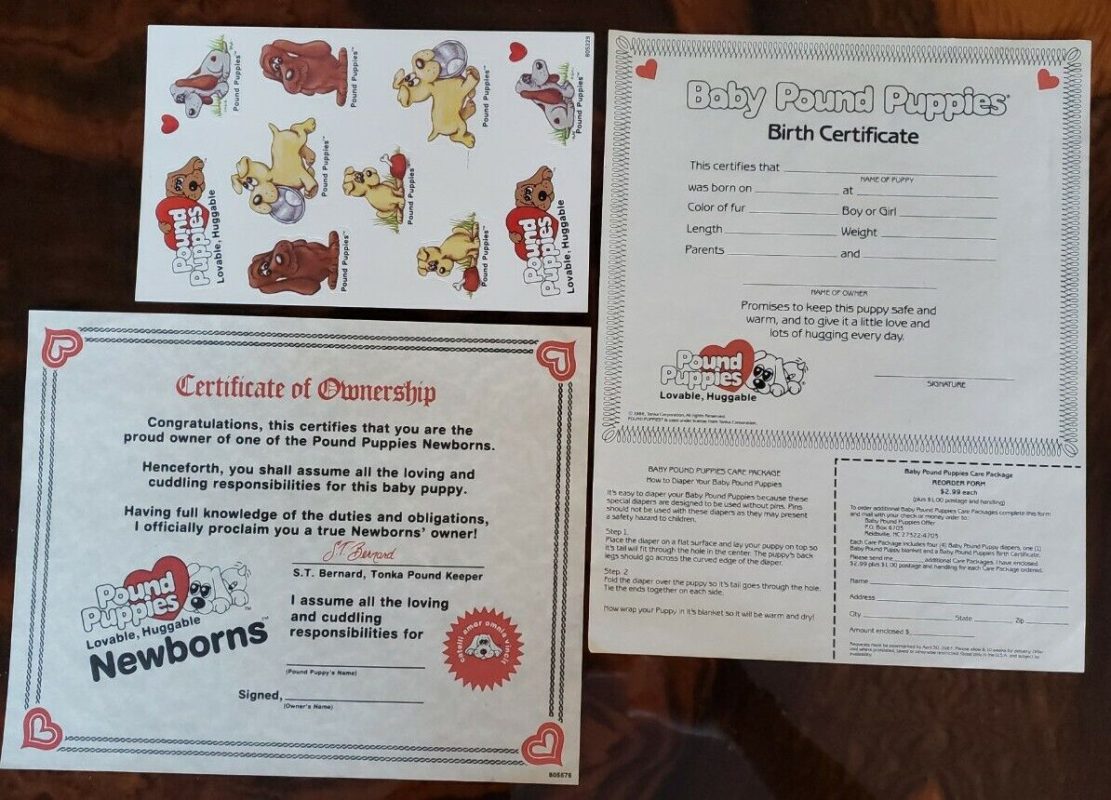
- Purpose: If you want a commemorative document for personal reasons, you can create a custom birth certificate for your puppy. This is purely for sentimental value and not an official document.
- How to Obtain: You can create a custom certificate online through various websites that offer templates for pet birth certificates. You simply input your puppy’s information (name, breed, date of birth, etc.), and the website generates a printable certificate.
5. Contacting Breeders
- Breeder Information: If your puppy was purchased from a breeder, they should provide you with all relevant documentation. If you did not receive a birth certificate, pedigree papers, or registration documents, reach out to the breeder to request these.
Important Notes
Buy Puppy Birth Certificates
- For Purebred Dogs: Always ensure that the breeder registers the litter with an official kennel club, which will provide you with the necessary documentation.
- For Mixed-Breed Dogs: Mixed-breed dogs typically do not have pedigree papers, but you can still keep health records and create a custom birth certificate for personal use.
If you’re interested in a particular type of certificate or need further assistance with official documentation for your puppy, let me know!
For dog breeders, issuing a “birth certificate” for a newborn puppy can serve as an official record for the new owners and add a professional touch to your breeding business. While not a legally required document, these certificates can be a valuable part of the puppy’s documentation.
What to Include on a Newborn Puppy Birth Certificate
- Breeder Information:
- Breeder’s Name: Full name of the breeder or kennel.
- Kennel Name (if applicable): If you operate under a kennel name, include it here.
- Contact Information: Phone number, email, and address.
- Puppy Details:
- Puppy’s Name: The name you or the new owner have given to the puppy.
- Date of Birth: The exact date the puppy was born.
- Breed: The breed of the puppy.
- Gender: Male or female.
- Color and Markings: Description of the puppy’s color and any unique markings.
- Litter Number: If relevant, you can include the number of the litter (e.g., “Litter #3”).
- Parent Information:
- Sire (Father): Name, breed, and registration number of the father.
- Dam (Mother): Name, breed, and registration number of the mother.
- Registration Information (if applicable):
- Kennel Club Registration Number: Include the registration number if the litter is registered with a kennel club.
- Microchip Number (if available): If the puppy has been microchipped, include the microchip number.
- Veterinary Information (optional):
- Veterinarian’s Name: The vet who first checked the puppy.
- Vaccination Information: List any vaccinations the puppy has received.
- Health Checks: Notes on health checks, such as the results of a physical exam.
- Breeder’s Signature:
- A signature from the breeder to authenticate the document.
How to Create a Puppy Birth Certificate
- Use a Template:
- Online Templates: There are many online services where you can find templates for pet birth certificates. Websites like Canva, Etsy, or specific pet-related sites offer customizable templates.
- Design Software: If you prefer to create a custom design, you can use graphic design software like Adobe Illustrator, Photoshop, or even Microsoft Word.
- Personalization:
- Logos and Branding: Include your kennel’s logo and branding on the certificate for a professional look.
- Custom Fonts and Colors: Use fonts and colors that match your kennel’s branding to create a cohesive document.
- Print and Deliver:
- High-Quality Paper: Print the certificates on high-quality paper or cardstock for a polished finish.
- Digital Copies: You might also consider providing a digital copy of the certificate to the new owners.
- Presentation: Present the certificate in a folder or with other documents (like care instructions and health records) when handing the puppy to its new owner.
Benefits of Providing a Birth Certificate
- Professionalism: It adds a professional touch to your breeding servicess.
- Memorabilia: Provides the new owners with a keepsake to remember their puppy’s early days.
- Record Keeping: Serves as a helpful document for tracking the puppy’s lineage and basic details.
Conclusion
While a puppy birth certificate is not an official document like pedigree papers, it can be a valuable addition to the package of documents you provide to new puppy owners. It offers sentimental value and reflects well on your professionalism as a breeder.
How do you set up a puppy birth?
Setting up for a puppy birth, or whelping, requires careful preparation to ensure the health and safety of both the mother dog and her puppies. Here’s a step-by-step guide to help you set up for a successful puppy birth:
1. Prepare a Whelping Area
- Choose a Quiet, Safe Location:
- Select a quiet, warm, and safe location in your home where the mother dog can give birth. This should be away from other pets and the hustle and bustle of daily activity.
- Ensure the area is free from drafts and provides a comfortable environment for the mother.
- Set Up a Whelping Box:
- A whelping box is essential for containing the puppies and keeping them safe. The box should be large enough for the mother to lie down and stretch out comfortably but with sides high enough to prevent puppies from wandering away.
- Consider adding rails or “pig rails” around the inside edges of the box to prevent the mother from accidentally lying on the puppies.
- Line the Whelping Box:
- Use clean, soft bedding such as old towels, blankets, or whelping pads. Be prepared to change the bedding frequently during and after the birth.
- Consider using disposable puppyy pads or newspaper under the bedding to absorb fluids.
2. Gather Supplies
- Whelping Kit:
- Towels: Plenty of clean towels for drying the puppies.
- Disposable Gloves: To keep your hands clean during the birth.
- Bulb Syringe: For clearing the puppies’ airways if needed.
- Scissors and Sterile Thread or Clamps: To cut and tie off umbilical cords if the mother does not do it naturally.
- Iodine Solution: For disinfecting the puppies’ umbilical stumps.
- Scale: A small digital scale to weigh the puppies after birth.
- Heat Source: A heating pad (set on low and covered) or a heat lamp to keep the puppies warm, especially if the whelping area is cool.
- Nutritional Supplements: Calcium supplements for the mother if recommended by your vet, and puppy milk replacer in case a puppy needs extra feeding.
- Record-Keeping Materials:
- Notebook or Log: To record the time of birth, weight, and any notes for each puppy.
- Puppy Identification: Colored yarn or collars to identify each puppy if they look similar.
3. Monitor the Mother Before Birth
- Health Check: Ensure the mother has had regular veterinary check-ups during pregnancy. Discuss the upcoming birth with your vet, including what to expect and when to call for help.
- Signs of Impending Labor:
- Nesting Behavior: The mother may start nesting, digging, or rearranging bedding as she prepares for the birth.
- Temperature Drop: The mother’s body temperature will drop to around 98-99°F (37-37.5°C) within 24 hours of labor starting.
- Restlessness: The mother may become restless, pant, or refuse food.
4. Assist During the Birth (If Needed)
- Monitor the Progress:
- Contractions: When the mother starts having contractions, stay with her and offer comfort and support.
- Delivery: Puppies usually arrive within 15-30 minutes of active pushing. The mother should break the amniotic sac and lick the puppy to stimulate breathing.
- Assisting with Birth:
- Help with Amniotic Sac: If the mother does not break the sac, gently tear it open and clear the puppy’s nose and mouth.
- Tie Off Umbilical Cord: If needed, tie the umbilical cord about an inch from the puppy’s body with sterile thread and cut the cord on the side away from the puppy.
- Stimulate Breathing: If a puppy does not start breathing immediately, rub it vigorously with a clean towel to stimulate breathing.
- Record the Birth: Note the time of birth, sex, and weight of each puppy. Make sure to identify each puppy.
5. Post-Birth Care

- Monitor the Puppies: Ensure all puppies are nursing well and staying warm. Weigh them daily to ensure they are gaining weight.
- Check the Mother: Monitor the mother for signs of distress, retained placentas, or excessive bleeding. She should be attentive to her puppies, and her temperature should return to normal within 24 hours.
- Veterinary Check-Up: Schedule a vet visit within 24-48 hours after the birth to check the health of the mother and puppies.
6. Keep the Area Clean
- Daily Cleaning: Change the bedding regularly to keep the area clean and dry.
- Sanitation: Clean the whelping area with mild disinfectants that are safe for newborn puppies.
7. Be Prepared for Emergencies
- Vet Contact Information: Have your veterinarian’s phone number on hand in case of complications.
- Emergency Plan: Know the signs of complications, such as prolonged labor, distress in the mother, or puppies that aren’t breathing.
Conclusion
Buy Puppy Birth Certificates
Setting up for a puppy birth requires careful preparation and attention to detail. By creating a safe and comfortable environment, gathering necessary supplies, and monitoring the mother and puppies closely, you can help ensure a smooth and successful whelping process. Don’t hesitate to contact your veterinarian if you encounter any concerns or complications during the birth.
Obtaining a dog certificate can serve various purposes depending on the type of certification you need. Here’s an overview of why you might need a dog certificate and how to get different types of certificates:
1. Types of Dog Certificates
A. Pedigree Certificate
- Purpose: A pedigree certificate is a document that verifies a dog’s purebred status and details its lineage. It’s essential for dog breeders, show dogs, and for ensuring the genetic quality of a breed.
- How to Get It:
- Register with a Kennel Club: If your dog is purebred, the breeder should have registered the litter with a recognized kennel club, such as the American Kennel Club (AKC), the Kennel Club (UK), or the Irish Kennel Club.
- Application: If your dog is not yet registered, you can apply for a pedigree certificate through the kennel club by providing details of the dog’s parents and paying the required fees.
B. Registration Certificate
- Purpose: A registration certificate serves as proof that your dog is recognized by a kennel club or other official registry. It typically includes the dog’s name, breed, date of birth, and registration number.
- How to Get It:
- Initial Registration: If your dog is a purebred and from a registered litter, the breeder usually provides this certificate.
- Self-Registration: If you acquire a dog without registration papers, you can register your dog with a kennel club by submitting an application, proof of the dog’s lineage, and possibly having the dog evaluated by an official judge.
C. Health Certificate
- Purpose: A health certificate is often required for travel (especially international travel) and certifies that your dog is in good health, up to date on vaccinations, and free from contagious diseases.
- How to Get It:
- Veterinary Examination: Obtain this certificate from a licensed veterinarian. The vet will examine your dog, administer any necessary vaccines, and complete the certificate.
- Travel Requirements: Ensure you check the specific health requirements of the destination, as different countries may have different requirements.
D. Microchip Certificate
Buy Puppy Birth Certificates
- Purpose: A microchip certificate serves as proof that your dog has been microchipped, which is often a legal requirement in many regions. It helps in reuniting lost dogs with their owners.
- How to Get It:
- Microchipping: Have your dog microchipped by a veterinarian or an authorized professional.
- Registration: Register the microchip number with a national database, such as PetLink or HomeAgain, and receive the microchip certificate.
E. Vaccination Certificate
- Purpose: A vaccination certificate is a record of your dog’s vaccinations, crucial for boarding, travel, and general health management.
- How to Get It:
- Veterinary Records: Your veterinarian will provide this certificate each time your dog receives a vaccine. Keep this document safe as it is required for certain services like grooming, dog parks, and boarding.
F. Training and Behavior Certification
- Purpose: Certificates from training programs, such as obedience, agility, or service dog training, validate that your dog has successfully completed a particular course or program.
- How to Get It:
- Enroll in Training Programs: Enroll your dog in a certified training program. Upon completion, the training organization will issue a certificatee.
2. Why You Might Need a Dog Certificate
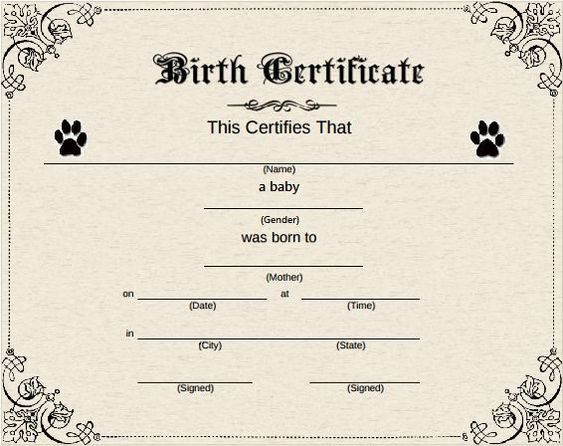
- Proof of Ownership: Certificates, especially registration and pedigree certificates, serve as legal proof of ownership.
- Breeding: If you plan to breed your dog, a pedigree certificate is crucial to verify the dog’s lineage and ensure it meets breed standards.
- Showing: Participation in dog shows typically requires a pedigree certificate to prove the dog’s breed and lineage.
- Travel: Many countries require a health certificate for your dog to enter, ensuring that it’s free of contagious diseases.
- Licensing: In many regions, you need to provide a vaccination certificate to obtain or renew a dog license.
- Reuniting with a Lost Pet: A microchip certificate is vital in the event your dog gets lost, helping ensure it can be identified and returned to you.
- Behavioral Certification: For dogs used in therapy, service, or other specialized roles, certification of their training and behavior is often required.
3. Steps to Obtain Dog Certificates
- Identify the Type of Certificate Needed: Determine whether you need a pedigree, registration, health, microchip, vaccination, or training certificate.
- Contact the Relevant Authority:
- Kennel Clubs for pedigree and registration certificates.
- Veterinarians for health, vaccination, and microchip certificates.
- Training Organizations for behavior and training certificates.
- Submit Required Information: Provide necessary documentation, such as proof of lineage, health records, or training completion.
- Pay the Necessary Fees: Most certificates require a fee, which varies depending on the type of certificate and the issuing authority.
- Receive and Store the Certificate: Keep all certificates in a safe place, as they are important for various legal, health, and ownership purposes.
Conclusion
Obtaining the right certificate for your dog can help with everything from proving ownership and lineage to ensuring safe travel and access to services. By understanding the purpose of each type of certificate and the process to obtain them, you can ensure that your dog is well-documented and protected.
