

Buy Germany Passport
As of my last update in January 2022, the German passport is one of the strongest passports in the world in terms of travel freedom and visa-free access to other countries. The Henley Passport Index, which ranks passports based on the number of destinations their holders can access without a prior visa, consistently places the German passport among the top positions.
The exact ranking of the German passport may vary slightly depending on updates to visa policies and diplomatic relations between countries. However, generally speaking, the German passport provides its holders with visa-free or visa-on-arrival access to a vast number of countries and territories worldwide.
German passport holders can typically travel freely within the European Union (EU) and the Schengen Area, which includes most EU countries as well as non-EU countries like Switzerland, Norway, Iceland, and Liechtenstein. Additionally, they enjoy visa-free or visa-on-arrival access to numerous other countries around the globe, including popular destinations in North America, Asia, and Oceania.
Overall, the German passport is highly regarded for its travel privileges and is considered one of the most valuable travel documents to possess.
German citizens have the option of obtaining either a passport or an identity card, both of which serve as official proofs of identity and citizenship. Here’s an overview of German passports and identity cards:
1. German Passport:
-
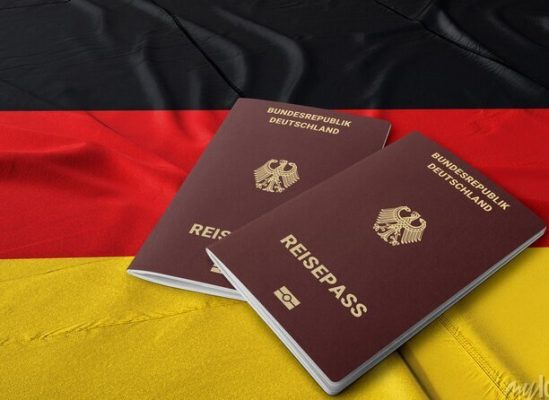
A German passport is an official travel document issued by the Federal Republic of Germany.
-
It allows German citizens to travel internationally and serves as proof of identity and citizenship.
-
German passports typically contain biometric features, such as a microchip containing the holder’s biometric data (facial image and fingerprints) to enhance security.
-
Passports are available in different formats, including standard passports, diplomatic passports for government officials and diplomats, and service passports for certain categories of individuals.
2. German Identity Card (Personalausweis):
-
The German identity card, known as “Personalausweis,” is an official identification document issued to German citizens.
-
It is primarily used for domestic purposes within Germany, such as proving identity when dealing with government agencies, banks, or employers.
-
German identity cards are not valid for international travel outside of the European Union or the Schengen Area.
-
Like passports, German identity cards also contain biometric features, such as a digital photograph and electronic fingerprints.
Key Differences:
-
Passports are primarily used for international travel, while identity cards are mainly for domestic identification purposes.
-
Passports allow German citizens to travel to countries outside the European Union and the Schengen Area, whereas identity cards are not valid for international travel.
-
Passports typically have a longer validity period compared to identity cards. Adult passports are usually valid for ten years, while identity cards are valid for ten years for individuals aged 24 or older and six years for individuals under 24.
Both German passports and identity cards are issued by the local registration office (Einwohnermeldeamt) or citizen services office (Bürgeramt) in Germany. Citizens can choose to apply for either document based on their specific needs and travel requirements.
Buy Germany Passport
German immigration refers to the process of individuals moving to Germany from other countries to reside permanently or temporarily. Immigration to Germany has been shaped by various factors, including economic opportunities, family reunification, asylum and refugee policies, and labor market demands. Here’s an overview of key aspects of German immigration:
1. Types of Immigration:
-
Labor Migration: Skilled workers, professionals, and individuals with specific qualifications may immigrate to Germany for employment opportunities. The German government has various programs to attract skilled workers from abroad to address labor shortages in certain sectors.
-
Family Reunification: German citizens and residents can sponsor family members, such as spouses, children, and parents, to join them in Germany through family reunification programs.
-
Asylum and Refugee Protection: Germany has been a destination for asylum seekers and refugees fleeing persecution, conflict, and humanitarian crises in their home countries. The country has obligations under international law to provide protection to those in need.
2. Legal Framework:
-
The legal framework for immigration to Germany is governed by national laws, European Union regulations, and international treaties.
-
The German Residence Act (Aufenthaltsgesetz) and the Asylum Act (Asylgesetz) outline the procedures and requirements for different categories of immigrants, including visa regulations, residency permits, asylum procedures, and integration measures.
3. Integration Policies:
-
Germany has implemented various integration measures to support immigrants in adapting to life in the country, learning the language, accessing education and employment opportunities, and participating in society.
-
Integration courses, language classes, vocational training programs, and social support services are provided to help immigrants integrate into German society.
4. Immigration Statistics:
-
Germany is one of the top destinations for immigrants in Europe, attracting individuals from diverse backgrounds and countries.
-
Immigration statistics in Germany include data on asylum applications, residency permits, labor migration, family reunification, and naturalization rates.
5. Challenges and Debates:
-
Immigration policy and integration efforts in Germany have faced challenges, including debates over refugee resettlement, multiculturalism, social cohesion, and anti-immigrant sentiments.
-
Issues such as housing, employment, education, language proficiency, and cultural differences are among the key considerations in immigrant integration efforts.
Overall, immigration plays a significant role in shaping Germany’s demographic, social, and economic landscape, and it remains a topic of political and societal debate. The German government continues to develop policies and initiatives to manage immigration flows effectively and promote the integration of immigrants into German society.

Buy Germany Passport
Reviews
There are no reviews yet.
Related products
Sale!

DRIVING LICENCE
Original price was: €780.00.€750.00Current price is: €750.00.
Sale!

DRIVING LICENCE
Original price was: €800.00.€760.00Current price is: €760.00.
Sale!

DRIVING LICENCE
Original price was: €850.00.€800.00Current price is: €800.00.
Sale!

Visa Application
Original price was: €2,500.00.€2,300.00Current price is: €2,300.00.
Sale!

PASSPORT
Original price was: €4,300.00.€4,230.00Current price is: €4,230.00.
Sale!

CERTIFICATES
Original price was: €480.00.€400.00Current price is: €400.00.
Sale!

Visa Application
Original price was: €1,800.00.€1,780.00Current price is: €1,780.00.
Sale!

CERTIFICATES
Original price was: €700.00.€650.00Current price is: €650.00.
Be the first to review “Buy Germany Passport”