
Sale!
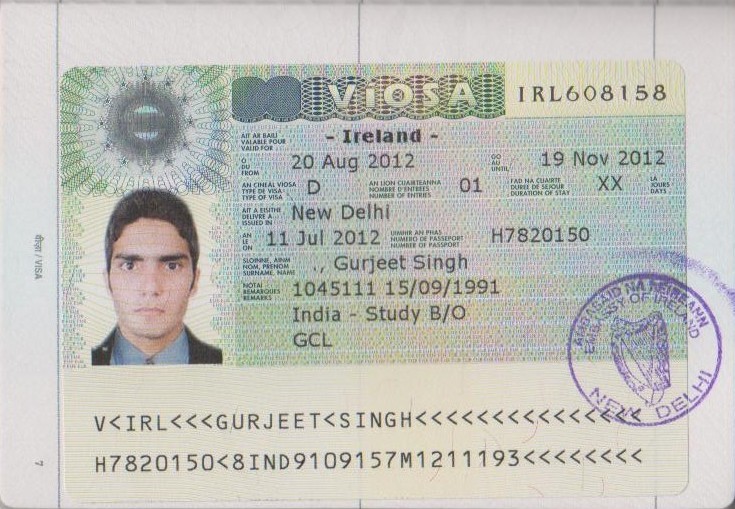
Ireland Visa Application
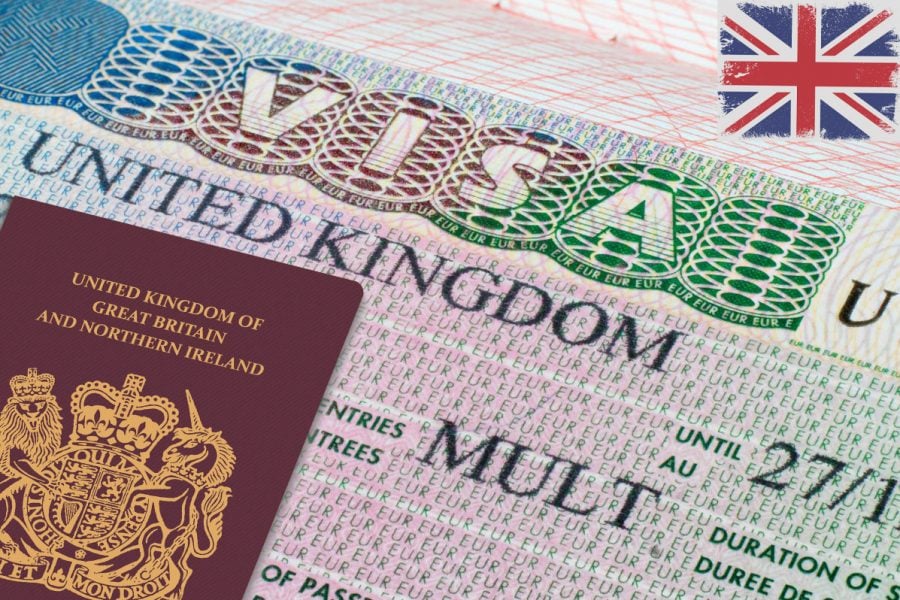
Original price was: €1,800.00.€1,780.00Current price is: €1,780.00.
Ireland Visa Application
The specific requirements for a student visa (also known as a student entry visa or study visa) vary depending on the country you plan to study in. However, here are some common requirements for student visas:
-
Admission to a Recognized Institution: You must have been accepted into a recognized educational institution, such as a university, college, or language school, and enrolled in a full-time course of study.
-
Proof of Sufficient Funds: You need to demonstrate that you have enough funds to cover your tuition fees, living expenses, and other costs associated with studying abroad. This may include bank statements, sponsorship letters, scholarship awards, or financial aid documents.
-
Valid Passport: Your passport must be valid for the duration of your intended stay abroad and typically for at least six months beyond the end of your planned study period.
-
Letter of Acceptance: You’ll need to provide a letter of acceptance or enrollment confirmation from the educational institution you plan to attend, confirming your course of study, start date, and duration.
-
Proof of Accommodation: Some countries may require proof of accommodation arrangements, such as a housing contract or a letter from your accommodation provider.
-
Health Insurance: Depending on the country and the specific visa requirements, you may need to have health insurance coverage for the duration of your stay abroad. This is to ensure that you have access to medical care while studying abroad.
-
Language Proficiency: If your course of study is conducted in a language other than your native language, you may need to provide proof of proficiency in that language, such as language test scores (e.g., IELTS, TOEFL).
-
Medical Examination: In some cases, you may be required to undergo a medical examination to ensure that you are in good health and do not pose a risk to public health in the destination country.
-
Visa Application Form: You’ll need to complete a visa application form and submit it along with the required documents to the appropriate embassy, consulate, or visa application center.
-
Biometric Data: Depending on the country, you may need to provide biometric data (such as fingerprints and a digital photograph) as part of the visa application process.
It’s essential to carefully review the specific requirements and procedures for the student visa of the country you plan to study in and to ensure that all documents are accurately prepared and submitted. Additionally, consider seeking advice from the educational institution’s international student office or from legal experts or immigration consultants if needed.
The visa requirements for entering Ireland vary depending on your nationality, the purpose of your visit, and the duration of your stay. Here are some general guidelines regarding visa requirements for entering Ireland:
-
EU/EEA/Swiss Citizens: Citizens of European Union (EU) member states, European Economic Area (EEA) countries, and Switzerland do not require a visa to enter Ireland. They have the right to enter, live, work, and study in Ireland without a visa.
-
Non-EU/EEA/Swiss Citizens: Citizens of countries outside the EU/EEA/Swiss area may need a visa to enter Ireland, depending on their nationality and the purpose of their visit. Some common visa types include tourist visas, business visas, study visas, and work visas.
-
Short-stay Visas (C Visas): If you plan to visit Ireland for tourism, business, or short-term study (less than 90 days), you may need to apply for a short-stay visa (also known as a C visa). This visa allows you to stay in Ireland for up to 90 days within a 180-day period.
-
Long-stay Visas (D Visas): If you plan to stay in Ireland for longer than 90 days, you may need to apply for a long-stay visa (also known as a D visa). This type of visa is required for purposes such as work, study, family reunification, or joining a partner who is an Irish citizen or resident.
-
Visa Waiver Program: Some nationalities are exempt from the requirement to obtain a visa for short visits to Ireland under the Visa Waiver Program. This program allows citizens of certain countries to travel to Ireland without a visa for tourism, business, or visiting family or friends, provided they meet certain conditions.
-
Electronic Travel Authorization (ETA): In addition to visas, Ireland has introduced an Electronic Travel Authorization (ETA) system for visa-exempt nationals traveling to Ireland. The ETA allows eligible travelers to enter Ireland for short stays without a visa. It is obtained through an online application process before traveling.
It’s essential to check the specific visa requirements and entry regulations for your nationality and the purpose of your visit to Ireland. You can find detailed information on visa requirements, application procedures, and eligibility criteria on the website of the Irish Naturalisation and Immigration Service (INIS) or the nearest Irish embassy or consulate in your country. Make sure to apply for the appropriate visa well in advance of your planned travel dates to Ireland.
For individuals seeking to work in Ireland, understanding the visa and work permit requirements is crucial. Here’s an overview:
-
Visa Requirements:
-
Citizens of the European Union (EU), European Economic Area (EEA), and Switzerland generally do not need a visa to work in Ireland. They have the right to live and work in Ireland without restriction.
-
Non-EU/EEA/Swiss citizens may need a visa to enter Ireland for work purposes. The type of visa required depends on factors such as the duration of stay and the specific work situation.
-
For short-term work assignments (up to 90 days), individuals may need to apply for a short-stay visa (C visa).
-
For long-term work assignments (more than 90 days), individuals typically need to apply for a long-stay visa (D visa) and a work permit or employment permit.
-
-
Work Permits/Employment Permits:
-
Non-EU/EEA/Swiss citizens who wish to work in Ireland for longer than 90 days typically need to obtain a work permit or employment permit.
-
The type of permit required depends on factors such as the individual’s occupation, skills, and the specific employment situation.
-
The main types of work permits in Ireland include the Critical Skills Employment Permit, the General Employment Permit, the Intra-Company Transfer Permit, and the Dependent/Partner/Spouse Employment Permit.
-
Each type of permit has specific eligibility criteria and application requirements, including job offer validation, salary thresholds, and employer sponsorship.
-
Employers in Ireland generally play a significant role in the work permit application process, as they are often required to sponsor the employee and provide supporting documentation.
-
-
Application Process:
-
The application process for work permits and visas in Ireland can be complex and may require coordination between the employer, employee, and relevant government agencies.
-
Applicants typically need to submit various documents, including a valid passport, employment contract, educational qualifications, and proof of funds (if applicable).
-
The Irish Naturalisation and Immigration Service (INIS) and the Department of Business, Enterprise and Innovation oversee the processing of work permit and visa applications in Ireland.
-
It’s essential to carefully review the specific requirements and procedures for the type of work permit and visa you need and to ensure that all documents are accurately prepared and submitted.
-
-
Renewal and Extensions:
-
Work permits and visas in Ireland are usually granted for a specific duration, after which they may need to be renewed or extended.
-
Renewal or extension applications typically require the submission of updated documentation and may be subject to additional requirements.
-
-
Immigration Services and Support:
-
Individuals seeking to work in Ireland may benefit from consulting with immigration specialists, legal experts, or employers’ human resources departments for guidance on the visa and work permit process.
-
It’s essential for individuals considering working in Ireland to thoroughly research the visa and work permit requirements applicable to their specific situation and to seek appropriate advice and assistance as needed. Additionally, staying informed about any updates or changes to immigration regulations in Ireland is crucial for a smooth and successful application process.
To obtain a work permit and visa for Ireland, you typically need to follow these steps:
-
Find a Job: Secure a job offer from an employer in Ireland. The employer must be willing to sponsor your work permit application.
-
Check Eligibility: Ensure that you meet the eligibility criteria for the type of work permit and visa you are applying for. This may include having the necessary qualifications, skills, and experience for the job.
-
Choose the Right Work Permit Type: Determine the type of work permit you need based on your occupation, skills, and the specific employment situation. Common types of work permits in Ireland include the Critical Skills Employment Permit, General Employment Permit, Intra-Company Transfer Permit, and Dependent/Partner/Spouse Employment Permit.
-
Apply for a Work Permit: The employer typically initiates the work permit application process by applying to the Department of Business, Enterprise and Innovation (DBEI) or the Department of Justice (in some cases). They may need to provide supporting documentation, such as evidence of the job offer, proof of the employer’s financial stability, and details of the employee’s qualifications and experience.
-
Receive Work Permit Approval: Once the work permit application is approved by the relevant authorities, the employer will receive a work permit certificate.
-
Apply for a Visa: If you are a non-EU/EEA/Swiss citizen, you will need to apply for a visa to enter Ireland for work purposes. The specific visa type you need depends on the duration of your stay and the type of work permit you have been granted.
-
For short-term work assignments (up to 90 days), you may need to apply for a short-stay visa (C visa).
-
For long-term work assignments (more than 90 days), you will typically need to apply for a long-stay visa (D visa) along with a work permit.
-
-
Submit Visa Application: Complete the visa application form and submit it along with the required documents to the nearest Irish embassy, consulate, or visa application center. Required documents may include:
-
Passport (valid for at least six months beyond the intended stay)
-
Work permit certificate
-
Proof of accommodation in Ireland
-
Proof of sufficient funds to support yourself during your stay
-
Medical insurance coverage
-
Biometric data (depending on the visa application process)
-
-
Attend Interview (if required): Depending on your nationality and the specific visa requirements, you may need to attend an interview as part of the visa application process.
-
Wait for Processing: The processing time for work permit and visa applications can vary. Be patient and allow sufficient time for your application to be processed.
-
Receive Visa Approval: If your visa application is approved, you will receive a visa allowing you to enter Ireland for work purposes.
-
Travel to Ireland: Once you have obtained your work permit and visa, you can travel to Ireland within the validity period of your visa. Make sure to comply with any conditions or restrictions attached to your visa, such as registering with immigration authorities upon arrival.
It’s essential to carefully review the specific requirements and procedures for the type of work permit and visa you need and to ensure that all documents are accurately prepared and submitted. Additionally, consider seeking advice from immigration specialists, legal experts, or your employer’s human resources department for guidance on the application process.
Ireland Visa Application
To apply for a visa to visit Ireland, you typically need to follow these steps:
-
Determine the Type of Visa: Identify the specific type of visa you need based on the purpose of your visit to Ireland. Common types of visas include tourist visas, business visas, study visas, and family visas.
-
Check Eligibility: Ensure you meet the eligibility criteria for the type of visa you’re applying for. Requirements may vary depending on factors such as your nationality, the duration of your stay, and the purpose of your visit.
-
Gather Required Documents: Collect all the necessary documents for your visa application, which may include:
-
Valid passport or travel document.
-
Completed visa application form.
-
Passport-sized photographs meeting the specifications outlined by the Irish Naturalization and Immigration Service (INIS).
-
Proof of the purpose of your visit (e.g., hotel reservations, invitation letter, enrollment confirmation for students, employment contract for work visas).
-
Proof of sufficient funds to cover your expenses during your stay in Ireland.
-
Travel itinerary, including flight reservations.
-
Medical insurance coverage for the duration of your stay in Ireland.
-
-
Submit Application: Apply for a visa at the nearest Irish embassy, consulate, or visa application center in your home country. Follow the instructions provided by the embassy/consulate and submit your application along with the required documents.
-
Pay Fees: There is usually a fee associated with visa applications. Make sure to pay the required fee when submitting your application.
-
Wait for Processing: The processing time for visa applications can vary. Be patient and allow sufficient time for your application to be processed.
-
Attend Interview (if required): Depending on your circumstances and the type of visa you’re applying for, you may need to attend an interview as part of the visa application process.
-
Receive Visa: If your application is approved, you’ll receive a visa allowing you to enter Ireland for the specified purpose and duration.
It’s important to ensure that all the information provided in your application is accurate and up-to-date. If you have any questions or need assistance with the application process, you can contact the nearest Irish embassy, consulate, or visa application center for guidance. Additionally, consider seeking advice from legal experts or immigration consultants if needed.
In Ireland, immigration matters are handled by the Irish Naturalisation and Immigration Service (INIS), which is part of the Department of Justice. INIS is responsible for managing immigration, asylum, and citizenship matters in Ireland. Here’s an overview of the services provided by INIS:
-
Visa Services: INIS processes visa applications for individuals wishing to visit, study, work, or settle in Ireland. This includes short-stay visas (e.g., tourist visas) and long-stay visas (e.g., study visas, work visas, family visas).
-
Asylum and Protection: INIS manages the asylum process for individuals seeking protection in Ireland due to persecution or serious harm in their home countries. This includes processing asylum applications, conducting refugee status determinations, and providing support to asylum seekers.
-
Residence Permits: INIS issues residence permits to non-EEA nationals who are granted permission to stay in Ireland for longer than 90 days. This includes residence permits for work, study, family reunification, and other purposes.
-
Citizenship: INIS processes applications for Irish citizenship, including naturalization and registration as an Irish citizen. This involves assessing eligibility criteria, conducting background checks, and administering citizenship ceremonies.
-
Immigration Enforcement: INIS is responsible for enforcing immigration laws and regulations in Ireland. This includes conducting immigration inspections, detaining individuals who are in the country illegally, and deporting individuals who are unlawfully present.
-
Border Management: INIS works to ensure the effective management of Ireland’s borders, including facilitating legitimate travel and trade while preventing illegal immigration and trafficking.
-
Policy Development: INIS develops and implements immigration policies and regulations in line with the Irish government’s priorities and objectives. This includes changes to visa categories, eligibility criteria, and immigration procedures.
-
Customer Service and Support: INIS provides support and assistance to visa applicants, asylum seekers, migrants, and other stakeholders through its customer service channels, including helplines, email, and online resources.
Individuals seeking information or assistance with immigration matters in Ireland can contact INIS directly or visit its website for guidance and resources. It’s essential to carefully review the specific requirements and procedures for your immigration status or visa category and to ensure compliance with Irish immigration laws and regulations. Additionally, consider seeking advice from legal experts or immigration consultants if needed.
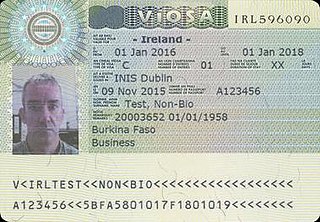
No, you cannot typically visit the UK with an Ireland visa. Ireland and the United Kingdom maintain separate immigration systems, and having a visa for one country does not grant you automatic entry into the other.
If you wish to visit the UK, you will need to apply for a separate visa or entry clearance through the UK’s visa application process. Similarly, if you have a visa for the UK and wish to visit Ireland, you will need to apply for an Irish visa or entry clearance through Ireland’s visa application process.
However, there are some exceptions to this rule. The Common Travel Area (CTA) arrangement allows for freedom of movement between Ireland, the United Kingdom, the Channel Islands, and the Isle of Man for Irish and British citizens. Additionally, citizens of certain countries may be eligible for the Short-stay Visa Waiver Program (SSVWP), which allows for short-term travel to the UK and Ireland with a valid visa or residence permit for the other country.
It’s important to check the specific visa requirements and entry regulations for your nationality and intended destination before making travel plans.
ireland visa for us citizens
Irish Work Permits Visa
Is Schengen visa valid for Ireland?
No, a Schengen visa is not valid for travel to Ireland. Ireland is not part of the Schengen Area, which is a group of European countries that have abolished passport and other types of border control at their mutual borders. Instead, Ireland operates its own separate visa and immigration system.
If you plan to visit Ireland, you will need to apply for an Irish visa or entry clearance through Ireland’s visa application process. The visa requirements and application procedures for Ireland are distinct from those of the Schengen Area countries.
Irish Immigration Service
It’s important to note that while Ireland is not part of the Schengen Area, it does have visa arrangements with certain Schengen countries that allow for short-term travel between Ireland and those countries without the need for an additional visa. However, this does not apply to the broader Schengen visa itself.
Always check the specific visa requirements and entry regulations for your nationality and intended destination before making travel plans.

Reviews
There are no reviews yet.
Related products
Sale!
Biometric Residence Permits
Original price was: €1,200.00.€1,100.00Current price is: €1,100.00.
Sale!
DRIVING LICENCE
Original price was: €800.00.€750.00Current price is: €750.00.
Sale!

DRIVING LICENCE
Original price was: €850.00.€800.00Current price is: €800.00.
Sale!
PASSPORT
Original price was: €4,700.00.€4,600.00Current price is: €4,600.00.
Sale!
DRIVING LICENCE
Original price was: €780.00.€750.00Current price is: €750.00.
Sale!

PASSPORT
Original price was: €4,500.00.€4,300.00Current price is: €4,300.00.
Sale!

DRIVING LICENCE
Original price was: €860.00.€780.00Current price is: €780.00.
Sale!
DRIVING LICENCE
Original price was: €600.00.€580.00Current price is: €580.00.
Be the first to review “Ireland Visa Application”