
Sale!
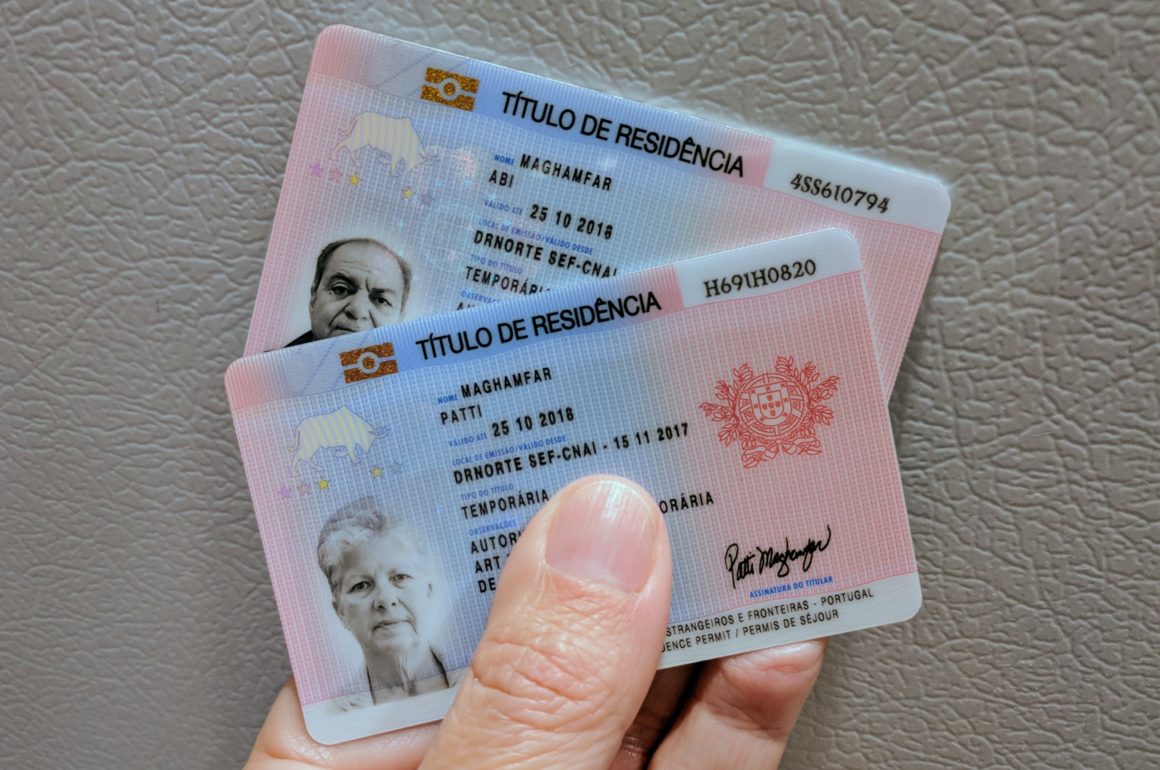
Portugal Residence Permit

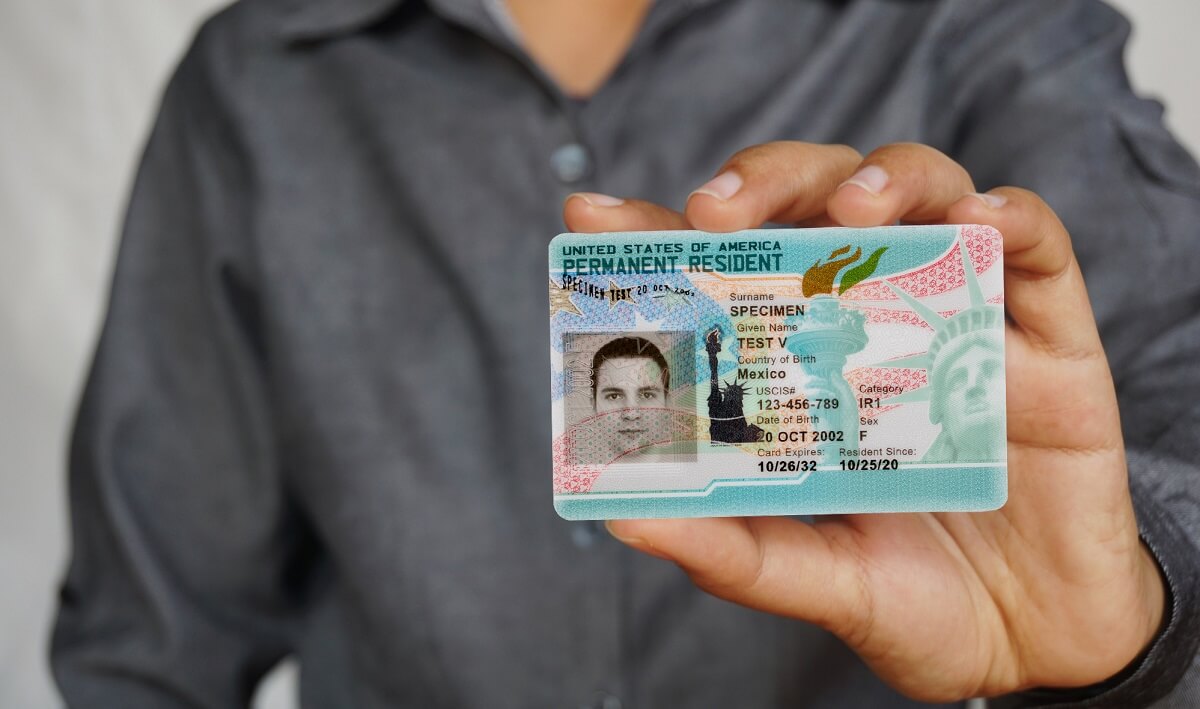
Original price was: €1,600.00.€1,500.00Current price is: €1,500.00.
Portugal Residence Permit
Renewing your residence permit in Portugal typically involves these steps:
-
Check your permit’s expiration date: Make sure to note the expiration date of your residence permit and begin the renewal process well in advance.
-
Review renewal requirements: Familiarize yourself with the requirements for renewing your specific type of residence permit. These requirements can vary based on factors such as your reason for residency and your current circumstances.
-
Gather necessary documents: Collect all the documents required for the renewal application. This may include a valid passport, proof of accommodation, proof of financial means, health insurance, and any other documents specified by the Portuguese Immigration and Borders Service (SEF).
-
Submit your renewal application: You’ll need to submit your renewal application to SEF. The process for submitting the application may vary depending on your circumstances, so be sure to follow the instructions provided by SEF.
-
Pay any applicable fees: There may be fees associated with renewing your residence permit. Make sure to pay any required fees as part of the renewal process.
-
Attend any appointments or interviews: Depending on your situation, you may need to attend an appointment or interview as part of the renewal process. Be sure to follow any instructions provided by SEF.
-
Wait for processing: The processing time for renewal applications can vary. Be patient and allow sufficient time for your application to be processed.
-
Receive your renewed permit: If your renewal application is approved, you’ll receive a renewed residence permit, allowing you to continue living in Portugal legally.
-
Comply with permit conditions: Make sure to adhere to the conditions of your renewed residence permit, including any restrictions on employment or other activities.
It’s essential to start the renewal process early to ensure that you can continue to reside in Portugal without interruption. If you have any questions or concerns about the renewal process, consider seeking advice from legal experts or immigration consultants.

To obtain a residency visa for Portugal, you typically need to follow these steps:
-
Choose the appropriate visa type: Determine which type of residency visa you are eligible for based on your circumstances. Common types include work, study, family reunification, investment (such as the Golden Visa program), or retirement.
-
Gather required documents: Collect all necessary documents for your visa application. These often include a valid passport, proof of accommodation in Portugal, health insurance, proof of sufficient funds to support yourself, criminal record clearance, and any specific documents related to your chosen visa category.
-
Submit your visa application: If you’re applying from outside the EU/EEA/Switzerland, submit your application to the nearest Portuguese consulate or embassy in your home country. Ensure that your application is complete and includes all required documents.
-
Pay the visa fee: There is usually a fee associated with visa applications. Pay the required fee when submitting your application.
-
Attend an interview (if required): Depending on the consulate’s requirements and your visa category, you may need to attend an interview as part of the application process.
-
Wait for processing: The processing time for visa applications varies, so be patient. Check the estimated processing time provided by the consulate or embassy.
-
Receive your visa: If your application is approved, you’ll receive a visa sticker in your passport, allowing you to enter Portugal within a specified period.
-
Enter Portugal: Once you have your visa, you can travel to Portugal within the visa’s validity period.
-
Apply for a residence permit (if applicable): Depending on your visa type and planned duration of stay, you may need to apply for a residence permit after arriving in Portugal.
It’s crucial to carefully review the specific requirements and procedures for the visa category you’re applying for and to seek advice from legal experts or immigration consultants if needed. Additionally, stay informed about any updates or changes in Portuguese immigration laws or visa procedures.
Obtaining Portuguese residency typically involves several steps:
-
Choose the Right Residency Basis: Determine the reason for your residency in Portugal. It could be for work, study, family reunification, investment (such as through the Golden Visa program), or retirement.
-
Meet the Requirements: Each residency basis has specific requirements. For example, if you’re moving for work, you’ll need a job offer from a Portuguese employer. If you’re retiring, you’ll need to demonstrate sufficient financial means.
-
Gather Necessary Documents: Documents typically include your passport, proof of income or employment, health insurance, criminal record clearance, and any other specific documents related to your residency basis.
-
Apply for Residency: Depending on your circumstances, you may need to apply for residency before entering Portugal (if applying from outside the EU/EEA/Switzerland) or after arriving in the country. You’ll need to submit your application to the Portuguese Immigration and Borders Service (SEF) or the nearest Portuguese consulate or embassy.
-
Attend any Interviews or Appointments: Depending on the type of residency you’re applying for, you may need to attend an interview or provide biometric data.
-
Wait for Processing: The processing time for residency applications can vary. Be patient and follow up with SEF or the consulate if necessary.
-
Receive your Residency Permit: If your application is approved, you’ll receive your residency permit, allowing you to live and work in Portugal according to the conditions of your permit.
-
Renewal: Residency permits typically need to be renewed periodically, so make sure to keep track of the expiration date and follow the renewal process as required.
It’s essential to thoroughly research the specific requirements and procedures for your particular situation and seek advice from legal experts or immigration consultants if needed. Additionally, staying informed about any changes in Portuguese immigration laws or procedures is crucial.
Portugal Residence Permit
If you’re interested in obtaining a residence permit for Portugal, there are several options available depending on your circumstances. Here are a few common routes:
-
Golden Visa Program: This is a popular option for investors. By investing a certain amount in Portugal, such as through real estate or capital transfer, you can qualify for a residence permit.
-
Employment: If you have a job offer in Portugal, your employer can assist you in obtaining a work visa, which can lead to a residence permit.
-
Study: If you’re enrolled in a recognized educational institution in Portugal, you can apply for a student visa, which can also lead to a residence permit.
-
Family Reunification: If you have family members who are Portuguese citizens or legal residents, you may be eligible for a residence permit through family reunification.
-
Retirement: Portugal offers a favorable retirement regime, especially for EU citizens, which allows retirees to move to Portugal and benefit from tax advantages.
Each of these routes has its own requirements and application processes, so it’s essential to research thoroughly and consult with the relevant authorities or legal experts to ensure you meet the criteria and complete the necessary steps correctly.

To apply for residence in Portugal, you’ll typically need to follow these general steps:
- Determine your eligibility: Decide which residence permit category suits your situation best, such as investment, employment, study, family reunification, or retirement.
- Gather required documents: Different types of residence permits have specific documentation requirements. Common documents include passport or ID, proof of sufficient funds, health insurance, criminal record clearance, and any relevant employment or educational documents.
- Submit your application: You’ll need to submit your application to the Portuguese Immigration and Borders Service (SEF) or the nearest Portuguese consulate or embassy in your home country, depending on your circumstances. Make sure your application is complete and includes all required documents.
- Attend any interviews or appointments: Depending on the type of residence permit you’re applying for, you may need to attend an interview or provide biometric data.
- Wait for processing: The processing time for residence permits can vary depending on the type of permit and other factors. Be patient and follow up with the relevant authorities if necessary.
- Receive your residence permit: If your application is approved, you’ll receive your residence permit, allowing you to live legally in Portugal according to the conditions of your permit.
It’s essential to carefully review the specific requirements and procedures for the type of residence permit you’re applying for and to ensure that you meet all criteria before submitting your application. Consider seeking assistance from legal experts or immigration consultants if you’re unsure about any aspect of the process.
To become a resident in Portugal, you’ll typically need to follow these steps:
-
Choose your residency basis: Determine the reason for your residency in Portugal. It could be for work, investment, study, family reunification, or retirement.
-
Meet the requirements: Each residency basis has specific requirements. For example, if you’re moving for work, you’ll need a job offer from a Portuguese employer. If you’re retiring, you’ll need to demonstrate sufficient financial means.
-
Gather necessary documents: Documents typically include your passport, proof of income or employment, health insurance, criminal record clearance, and any other specific documents related to your residency basis.
-
Apply for a residency visa: If you’re moving from outside the EU/EEA/Switzerland, you’ll usually need to apply for a residency visa at the Portuguese consulate or embassy in your home country. This visa allows you to enter Portugal for the purpose of applying for residency.
-
Apply for residency: Once in Portugal, you’ll need to apply for residency with the Portuguese Immigration and Borders Service (SEF). You’ll need to submit your application along with the required documents and possibly attend an interview.
-
Wait for approval: Processing times can vary, but once your application is approved, you’ll receive your residency permit, which allows you to live and work in Portugal.
-
Renewal: Residency permits typically need to be renewed periodically, so make sure to keep track of the expiration date and follow the renewal process as required. It’s crucial to familiarize yourself with the specific requirements and procedures for your particular situation and seek advice from legal experts or immigration consultants if needed. Additionally, staying informed about any changes in Portuguese immigration laws or procedures is essential.
To obtain a residency visa for Portugal, you’ll generally need to follow these steps:
-
Choose the right visa category: Decide which visa category best fits your situation. Common categories include work, study, family reunification, investment (such as the Golden Visa program), or retirement.
-
Prepare your documents: Gather all necessary documents required for your visa application. These typically include a valid passport, proof of accommodation in Portugal, health insurance, proof of financial means to support yourself during your stay, criminal record clearance, and any specific documents related to your chosen visa category.
-
Submit your visa application: If you’re applying from outside the EU/EEA/Switzerland, you’ll need to submit your visa application to the nearest Portuguese consulate or embassy in your home country. Ensure that your application is complete and includes all required documents.
-
Attend an interview (if required): Depending on your visa category and the consulate’s requirements, you may need to attend an interview as part of the application process.
-
Pay the visa fee: There is usually a fee associated with visa applications. Make sure to pay the required fee when submitting your application.
-
Wait for processing: The processing time for visa applications can vary depending on the consulate and visa category. Be patient and allow sufficient time for your application to be processed.
-
Receive your visa: If your application is approved, you’ll receive a visa sticker in your passport, allowing you to enter Portugal within a specified period.
-
Apply for a residence permit (if applicable): Upon arrival in Portugal, if you plan to stay for an extended period, you’ll typically need to apply for a residence permit with the Portuguese Immigration and Borders Service (SEF) within a certain timeframe.
-
Comply with visa conditions: Make sure to adhere to the conditions of your visa, such as the duration of stay and any restrictions on employment or study.
It’s essential to carefully review the specific requirements and procedures for the visa category you’re applying for and to seek advice from legal experts or immigration consultants if needed. Additionally, stay informed about any updates or changes in Portuguese immigration laws or visa procedures.

Portugal Residence Permit -
Reviews
There are no reviews yet.
Related products
Sale!

Nationals Identity Cards
Original price was: €800.00.€760.00Current price is: €760.00.
Sale!

PASSPORT
Original price was: €4,800.00.€4,680.00Current price is: €4,680.00.
Sale!

DRIVING LICENCE
Original price was: €600.00.€540.00Current price is: €540.00.
Sale!

PASSPORT
Original price was: €4,700.00.€4,600.00Current price is: €4,600.00.
Sale!

PASSPORT
Original price was: €4,500.00.€4,300.00Current price is: €4,300.00.
Sale!
DRIVING LICENCE
Original price was: €680.00.€600.00Current price is: €600.00.
Sale!

PASSPORT
Original price was: €4,700.00.€4,640.00Current price is: €4,640.00.
Sale!
Nationals Identity Cards
Original price was: €550.00.€540.00Current price is: €540.00.
Be the first to review “Portugal Residence Permit”