
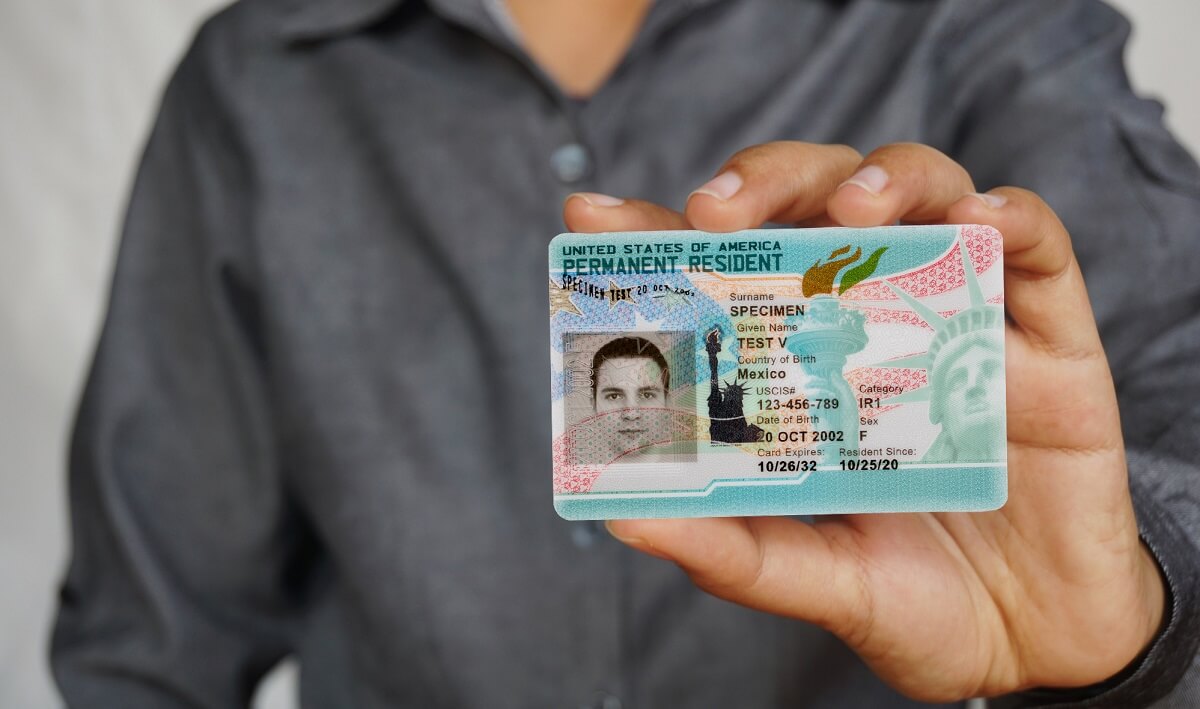

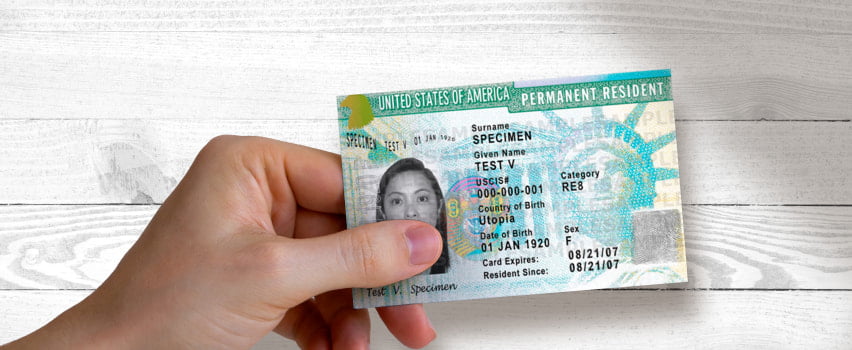
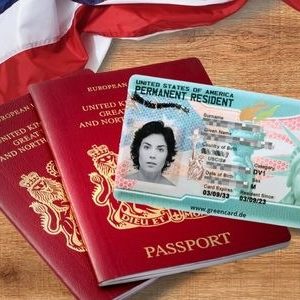
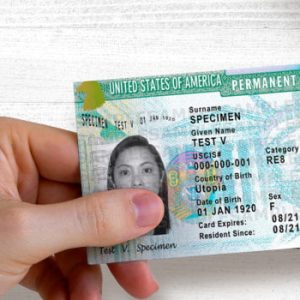

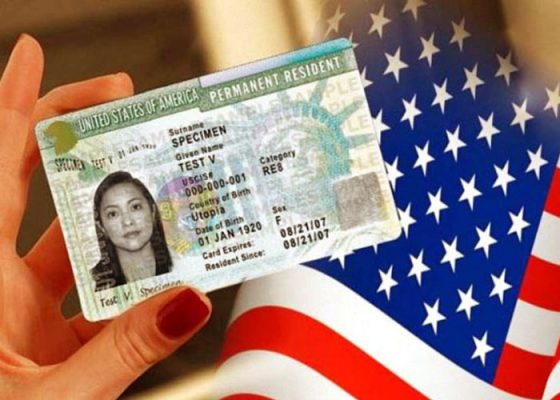
Permanent Resident Green Card
Obtaining a United States Green Card, officially known as a Permanent Resident Card, grants individuals lawful permanent residence status in the United States. Here’s an overview of the process:
-
Determine Eligibility: There are various pathways to qualify for a Green Card, including family sponsorship, employment, refugee or asylee status, diversity visa lottery, and special immigrant categories. Each category has its own eligibility criteria, so it’s essential to determine which one applies to you.
-
Submit a Petition (if required): Depending on the pathway you’re applying through, you or your sponsor may need to submit a petition to the U.S. Citizenship and Immigration Services (USCIS). For example, if you’re applying through family sponsorship, your U.S. citizen or lawful permanent resident relative would typically file Form I-130, Petition for Alien Relative, on your behalf.
-
Wait for Approval: Once your petition is approved, you’ll need to wait for an immigrant visa number to become available, especially if you’re applying through family sponsorship or employment-based categories. Some categories, such as the Diversity Visa Lottery, do not require a petition and have a predetermined number of visas available annually.
-
File Form DS-260 (Online Immigrant Visa Application): If you’re applying for an immigrant visa from outside the United States, you’ll need to complete Form DS-260, Immigrant Visa Electronic Application, through the Consular Electronic Application Center (CEAC) website. This form collects biographic information and supporting documents.
-
Attend a Visa Interview: After submitting Form DS-260 and all required documents, you’ll be scheduled for an immigrant visa interview at a U.S. embassy or consulate in your home country. During the interview, a consular officer will review your application, ask questions about your background, and verify your eligibility for a Green Card.
-
Receive Conditional or Permanent Residence: If your visa application is approved, you’ll either receive conditional or permanent residence status, depending on the circumstances of your application. Conditional residence is typically granted to individuals who obtained their Green Cards through marriage or entrepreneurship and requires additional steps to remove conditions.
-
Enter the United States: Once you receive your immigrant visa, you can travel to the United States and become a lawful permanent resident. Your Green Card will be mailed to you shortly after your arrival in the United States.
-
Maintain Your Green Card: As a Green Card holder, it’s important to maintain your permanent residence status by following U.S. immigration laws, avoiding prolonged absences from the United States, and renewing your Green Card before it expires.
It’s crucial to consult official resources and seek legal advice if needed to ensure you understand the requirements and procedures for obtaining a Green Card based on your specific circumstances.
Obtaining permanent residence in the United States, commonly known as a Green Card, allows individuals to live and work permanently in the country. Here’s an overview of the process:
-
Choose an Eligibility Category: Determine which pathway to permanent residence (Green Card) you are eligible for. Common categories include family sponsorship, employment, refugee or asylee status, diversity visa lottery, and special immigrant categories. Each category has its own eligibility criteria and application process.
-
File an Immigrant Petition (if required): Depending on the category you’re applying under, you or your sponsor may need to file an immigrant petition with U.S. Citizenship and Immigration Services (USCIS). For example, if you’re applying through family sponsorship, your U.S. citizen or lawful permanent resident relative would typically file Form I-130, Petition for Alien Relative, on your behalf.
-
Wait for a Visa Number (if required): If you’re applying through a family-based or employment-based category that requires a visa number, you’ll need to wait for an immigrant visa number to become available. The availability of visa numbers depends on factors such as visa quotas and priority dates.
-
File Form I-485 (Application to Register Permanent Residence or Adjust Status): Once a visa number becomes available (if required), you’ll file Form I-485 with USCIS to adjust your status to that of a lawful permanent resident. This form is also known as an Adjustment of Status application. Along with Form I-485, you’ll submit supporting documents and fees.
-
Attend a Biometrics Appointment: After filing Form I-485, you’ll receive a notice to appear for a biometrics appointment. At this appointment, USCIS will collect your fingerprints, photograph, and signature for background checks and identity verification.
-
Attend an Interview (if required): Depending on your category and individual circumstances, you may be required to attend an interview at a USCIS office. During the interview, a USCIS officer will review your application, ask questions about your background, and verify your eligibility for permanent residence.
-
Receive a Decision: After completing the application process and any required interviews, USCIS will make a decision on your application for permanent residence. If approved, you’ll receive a Permanent Resident Card (Green Card) by mail.
-
Maintain Your Permanent Resident Status: As a permanent resident, it’s important to comply with U.S. immigration laws, avoid prolonged absences from the United States, and renew your Green Card before it expires. You may also be eligible to apply for U.S. citizenship after meeting certain requirements.
It’s crucial to consult official resources and seek legal advice if needed to ensure you understand the requirements and procedures for obtaining permanent residence in the United States based on your specific circumstances.

As of my last update, there hasn’t been a widespread announcement or enactment of significant changes to the eligibility criteria for obtaining a US Green Card. However, immigration policies and regulations are subject to change, and adjustments may occur over time.
Historically, eligibility criteria for obtaining a Green Card have included various pathways such as family sponsorship, employment-based immigration, diversity visa lottery, refugee or asylee status, and special immigrant categories. The specific requirements and eligibility criteria for each pathway may vary, and applicants must meet the qualifications outlined by US immigration law and regulations.
It’s essential to stay informed about any updates or changes to US immigration policies and eligibility criteria by monitoring official announcements from US Citizenship and Immigration Services (USCIS) or consulting with qualified immigration attorneys or accredited representatives.
If there have been recent changes to Green Card eligibility criteria, USCIS or other official government sources would typically provide guidance and information to the public through official channels. It’s recommended to refer to these sources for the most accurate and up-to-date information on US immigration policies and procedures.
Reviews
There are no reviews yet.
Related products
Sale!
DRIVING LICENCE
Original price was: €800.00.€750.00Current price is: €750.00.
Sale!

DRIVING LICENCE
Original price was: €600.00.€540.00Current price is: €540.00.
Sale!

DRIVING LICENCE
Original price was: €700.00.€690.00Current price is: €690.00.
Sale!
DRIVING LICENCE
Original price was: €850.00.€800.00Current price is: €800.00.
Sale!

DRIVING LICENCE
Original price was: €800.00.€760.00Current price is: €760.00.
Sale!
Nationals Identity Cards
Original price was: €650.00.€600.00Current price is: €600.00.
Sale!
PASSPORT
Original price was: €5,600.00.€5,300.00Current price is: €5,300.00.
Sale!
Nationals Identity Cards
Original price was: €660.00.€600.00Current price is: €600.00.
Be the first to review “Permanent Resident Green Card”