
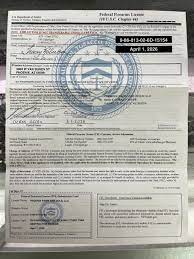
United States Tobacco Licenses


Original price was: €480.00.€450.00Current price is: €450.00.
United States Tobacco Licenses
To obtain a tobacco license in Texas, you must go through the Texas Comptroller of Public Accounts. Here’s a detailed guide on the process, requirements, and steps to get a tobacco license in Texas:
Types of Tobacco Licenses in Texas
- Retailer Permit: For businesses that sell tobacco products directly to consumers.
- Wholesaler Permit: For businesses that sell tobacco products to retailers.
- Distributor Permit: For businesses that distribute tobacco products within Texas.
- Manufacturer Permit: For businesses that manufacture tobacco products.
General Requirements
- Business Registration: Your business must be registered with the Texas Secretary of State.
- Federal Employer Identification Number (FEIN): Obtain an FEIN from the IRS if you don’t already have one.
- Sales and Use Tax Permit: Register for a Texas Sales and Use Tax permit through the Texas Comptroller’s office.
Specific Requirements
- Completed Application: Submit a completed application for the specific type of tobacco permit you need. Applications are available on the Texas Comptroller’s website.
- Background Check: Owners and key personnel may need to undergo a background check.
- Payment of Fees: Pay the applicable license fees. Fees vary depending on the type of license and specific operations of the business.
Application Process
- Prepare Documentation: Gather all necessary documents, including proof of business registration, FEIN, Sales and Use Tax permit, and any other required permits.
- Complete the Application: Fill out the appropriate tobacco license application form. Forms are available on the Texas Comptroller’s website.
- Submit the Application: Submit your completed application along with the required documentation and fees either online through the Texas Comptroller’s eSystems portal, by mail, or in person at a Comptroller office.
- Background Check: If required, complete the background check process for all owners and key personnel.
- Inspection: Be prepared for a possible inspection of your business premises to ensure compliance with state regulations.
Fees
The fees for tobacco permits in Texas vary based on the type of permit and the business operations. Generally, the fees are as follows:
- Retailer Permit: $180 for a two-year permit.
- Wholesaler Permit: $200 for a two-year permit.
- Distributor Permit: $300 for a two-year permit.
- Manufacturer Permit: $150 for a two-year permit.
Note: Fees are subject to change, so it’s important to verify the current fees on the Texas Comptroller’s website.
Renewal and Compliance
- Renewal: Tobacco permits in Texas must be renewed every two years. The renewal process typically involves submitting a renewal application and paying the renewal fee.
- Compliance: Maintain compliance with all state and local laws regarding the sale and distribution of tobacco products, including age verification requirements, record-keeping, and proper tax reporting.
Important Considerations
- Age Restrictions: Ensure that your business complies with federal and state laws regarding the sale of tobacco products to minors. The legal age for purchasing tobacco products in Texas is 21.
- Tax Reporting: Accurately report and remit all applicable taxes on tobacco products to the Texas Comptroller.
- Health Regulations: Comply with any additional health regulations, including restrictions on advertising and marketing of tobacco products.
Resources
- Texas Comptroller of Public Accounts: Comptroller Tobacco Permits Information
- Texas Secretary of State: Texas Secretary of State
- Texas Comptroller eSystems Portal: Texas Comptroller eSystems
By following these steps and ensuring compliance with all regulations, you can obtain and maintain a tobacco license in Texas.
Managing product transfers between multiple locations is essential for businesses with multiple branches, warehouses, or retail outlets. Here’s a guide on how to efficiently handle product transfers:
1. Inventory Management System
Implement an inventory management system that allows you to track inventory levels across all locations in real-time. This system should provide visibility into stock levels, product movements, and transfer history.
2. Transfer Requests
Establish a process for initiating product transfers. Each location should be able to request transfers based on inventory needs. This request should include details such as the quantity of products, destination location, and reason for the transfer.
3. Approval Process
Implement an approval process to review and authorize transfer requests. Designate individuals or departments responsible for approving transfers based on criteria such as inventory levels, budget constraints, and strategic priorities.
4. Packaging and Shipping
Once a transfer request is approved, package the products securely for shipment. Ensure proper labeling and documentation, including packing slips and transfer manifests. Choose reliable shipping methods to ensure timely and safe delivery.
5. Receiving and Verification
Upon receipt of the transferred products, the receiving location should verify the contents against the packing slip or transfer manifest. Conduct a thorough inspection to ensure that the products are in good condition and match the quantity specified in the transfer request.
6. Update Inventory Records
Update the inventory records at both the sending and receiving locations to reflect the product transfer. Deduct the transferred quantity from the inventory at the sending location and add it to the inventory at the receiving location in real-time.
7. Reconciliation
Regularly reconcile inventory records to identify any discrepancies or issues with product transfers. Investigate and resolve discrepancies promptly to maintain accurate inventory data and prevent stockouts or overstocks.
8. Reporting and Analysis
Generate reports on product transfers to track transfer volumes, frequency, and costs. Analyze transfer data to identify trends, optimize inventory management strategies, and make informed decisions about stock allocation and replenishment.
9. Continuous Improvement
Regularly review and refine your product transfer process to streamline operations and improve efficiency. Solicit feedback from staff involved in the transfer process and implement suggestions for improvement.
10. Compliance and Documentation
Ensure compliance with regulatory requirements and internal policies governing product transfers. Maintain detailed records of transfer transactions, including documentation of approvals, packing lists, shipping documents, and receiving reports.
By following these steps and establishing robust processes for product transfers between multiple locations, you can effectively manage inventory levels, optimize stock allocation, and ensure seamless operations across your business.
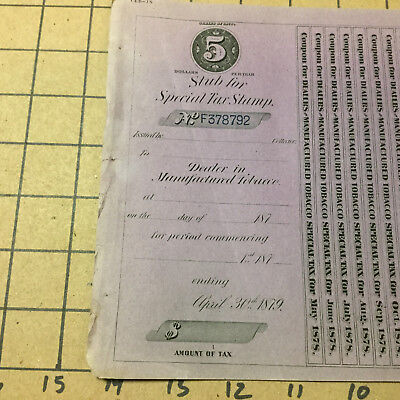
United States Tobacco Licenses
In Georgia, businesses involved in the manufacture, distribution, or retail sale of tobacco products must obtain the appropriate licenses and permits to operate legally. The Georgia Department of Revenue (DOR) oversees the regulation of tobacco products within the state. Here is a detailed guide on the requirements and process for obtaining a tobacco license in Georgia:
Types of Tobacco Licenses in Georgia
- Tobacco Manufacturer License: Required for businesses that manufacture tobacco products.
- Tobacco Distributor License: Required for businesses that distribute tobacco products to retailers.
- Retail Tobacco License: Required for businesses that sell tobacco products directly to consumers.
Requirements for Obtaining a Tobacco License
General Requirements
- Business Registration: Your business must be registered with the Georgia Secretary of State.
- Federal Employer Identification Number (FEIN): Obtain an FEIN from the IRS if you don’t already have one.
- Sales and Use Tax Number: Register for a Georgia Sales and Use Tax number through the Georgia Tax Center.
Specific Requirements
- Completed Application: Submit a completed tobacco license application form, which can be found on the Georgia Department of Revenue website.
- Background Check: Owners and key personnel may be required to undergo a background check.
- Zoning Compliance: Ensure that your business location complies with local zoning laws and regulations.
- Payment of Fees: Pay the applicable license fees. Fees vary depending on the type of license and the specific operations of the business.
Application Process
- Prepare Documentation: Gather all necessary documents, including proof of business registration, FEIN, Sales and Use Tax number, and any other required permits.
- Complete the Application: Fill out the appropriate tobacco license application form. Forms can be found on the Georgia Department of Revenue’s website.
- Submit the Application: Submit your completed application along with the required documentation and fees. Applications can usually be submitted online through the Georgia Tax Center, by mail, or in person at a Georgia Department of Revenue office.
- Background Check: If required, complete the background check process for all owners and key personnel.
- Inspection: Be prepared for a possible inspection of your business premises to ensure compliance with state regulations.
Renewal and Compliance
- Renewal: Tobacco licenses in Georgia must be renewed annually. The renewal process typically involves submitting a renewal application and paying the renewal fee.
- Compliance: Maintain compliance with all state and local laws regarding the sale and distribution of tobacco products. This includes adhering to age verification requirements, record-keeping, and proper tax reporting.
Important Considerations
- Age Restrictions: Ensure that your business complies with federal and state laws regarding the sale of tobacco products to minors. The legal age for purchasing tobacco products in Georgia is 21.
- Tax Reporting: Accurately report and remit all applicable taxes on tobacco products to the Georgia Department of Revenue.
- Health Regulations: Comply with any additional health regulations, including restrictions on advertising and marketing of tobacco products.
Resources
- Georgia Department of Revenue (DOR): DOR Tobacco Licensing Information
- Georgia Tax Center: Georgia Tax Center
By following these steps and ensuring compliance with all regulations, you can obtain and maintain a tobacco license in Georgia.

Reviews
There are no reviews yet.
Related products

DRIVING LICENCE

PASSPORT

DRIVING LICENCE

Nationals Identity Cards

PASSPORT

PASSPORT

DRIVING LICENCE

PASSPORT
Be the first to review “United States Tobacco Licenses”