

Federal Firearms Licenses

Original price was: €530.00.€480.00Current price is: €480.00.
Federal Firearms Licenses
In the context of building plans, “FFL” stands for Finished Floor Level. This term is used to indicate the elevation or height of the finished surface of the floor in a building. The FFL is a critical reference point in architectural and construction drawings, as it helps ensure that all components of the building are constructed at the correct height relative to each other.
Key Points about FFL on Building Plans:
- Elevation Reference: FFL provides a baseline elevation from which other measurements are taken. It helps in ensuring that floors throughout the building are level and at the correct height.
- Coordination: Accurate FFL measurements are essential for coordinating different aspects of construction, such as the installation of doors, windows, and fixtures. It ensures that everything aligns properly.
- Construction Stages: During construction, the FFL is used to guide the pouring of concrete slabs, the installation of floor finishes, and other floor-related tasks.
- Building Codes and Standards: The FFL must comply with building codes and standards, which may dictate minimum and maximum heights for various floors in a building.
- Architectural Drawings: In architectural drawings, the FFL is typically noted in elevation views and section drawings, often accompanied by a numerical value indicating the height above a reference point, such as sea level or a survey datum.
Example Notation:
On a building plan, you might see a notation like “FFL 100.00,” which means the finished floor level is at an elevation of 100.00 units above the reference point used in the project (often meters or feet above sea level).
Importance of FFL in Construction:
- Accuracy: Ensures precise construction and alignment of building elements.
- Consistency: Maintains a consistent level throughout the building, which is crucial for structural integrity and aesthetic uniformity.
- Compliance: Helps in adhering to regulatory requirements and avoiding potential issues during inspections.
Conclusion:
Understanding FFL is crucial for architects, engineers, and construction professionals to ensure that the building is constructed as per the design specifications and regulatory requirements. It plays a fundamental role in the accurate and successful completion of a construction project.
Licenses play a critical role in various sectors, from business operations to personal activities. They serve as official permissions granted by authorities, ensuring that the license holder meets certain criteria and standards. Here’s a detailed look at different types of licenses, their purposes, and their requirements:
Types of Licenses
- Business Licenses:
- General Business License: Required for operating any type of business legally within a jurisdiction.
- Professional Licenses: Required for individuals in certain professions, such as doctors, lawyers, accountants, and real estate agents, to ensure they meet the necessary qualifications and standards.
- Health Department Permits: Necessary for businesses in the food and beverage industry to ensure compliance with health and safety regulations.
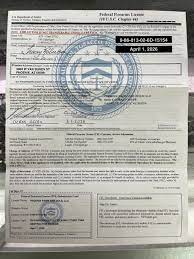
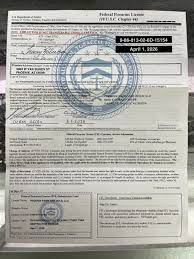
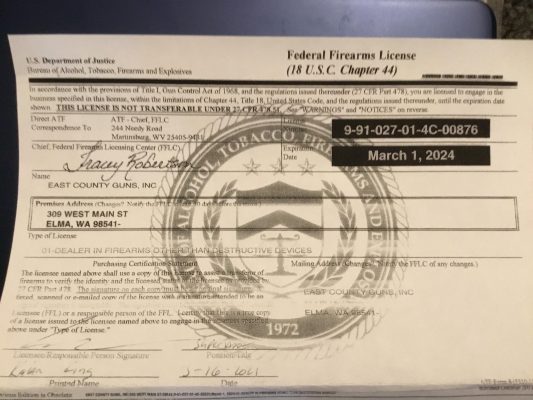
- Federal Firearms License (FFL):
- Types of FFLs: Includes dealer, pawnbroker, collector, manufacturer, and importer licenses, each with specific requirements and permissions related to firearms and ammunition.
- Requirements: Background checks, compliance with federal and state laws, business premises inspection, and adherence to record-keeping and reporting obligations.
- Driver’s Licenses:
- Standard Driver’s License: Allows individuals to legally drive a motor vehicle.
- Commercial Driver’s License (CDL): Required for operating commercial vehicles, such as trucks and buses, with different classes for various types of vehicles.
- Motorcycle License: Specific endorsement for operating motorcycles.
- Occupational Licenses:
- Healthcare: Licenses for doctors, nurses, dentists, pharmacists, and other healthcare professionals.
- Legal: Licenses for practicing law, such as passing the bar exam and being admitted to the state bar association.
- Technical Trades: Licenses for electricians, plumbers, contractors, and other skilled trades.
- Environmental and Land Use Licenses:
- Building Permits: Required for construction, renovation, and demolition projects to ensure compliance with building codes and zoning laws.
- Environmental Permits: Necessary for activities that impact the environment, such as waste management, water usage, and emissions.
- Entertainment and Alcohol Licenses:
- Liquor License: Required for businesses to sell alcohol, with variations for on-premises and off-premises consumption.
- Entertainment License: Permits for hosting live performances, events, and other entertainment activities.
Obtaining a License
The process of obtaining a license typically involves several steps:
- Application: Complete and submit the appropriate application form, often available through local, state, or federal government websites or offices.
- Qualifications and Requirements:
- Education and Training: Many professional licenses require specific educational qualifications and training.
- Examinations: Some licenses require passing exams to demonstrate knowledge and competency.
- Background Checks: Especially for licenses involving public safety, such as firearms and healthcare.
- Fees: Payment of application and licensing fees, which can vary widely depending on the type of license and jurisdiction.
- Inspections and Approvals: For certain licenses, such as building permits and business licenses, inspections and approvals from relevant authorities are necessary.
- Renewal and Continuing Education: Many licenses require periodic renewal and may involve continuing education to ensure that the license holder stays current with industry standards and regulations.
Responsibilities of License Holders
- Compliance: Adhering to all relevant laws, regulations, and standards associated with the license.
- Record Keeping: Maintaining accurate records, especially for business operations, firearms transactions, and healthcare services.
- Renewal and Updates: Keeping the license current and updated, including addressing any changes in business operations, personal status, or regulatory requirements.
- Ethical Conduct: Upholding ethical standards and best practices in the respective field or industry.
Conclusion
Licenses are essential for regulating various activities, ensuring public safety, maintaining professional standards, and facilitating lawful operations. Whether for business, personal, or professional purposes, understanding the specific requirements and responsibilities associated with each type of license is crucial for compliance and success.
Federal Firearms Licenses
Reviews
There are no reviews yet.
Related products

DRIVING LICENCE

PASSPORT

PASSPORT
DRIVING LICENCE

Nationals Identity Cards

DRIVING LICENCE

Nationals Identity Cards
PASSPORT
Be the first to review “Federal Firearms Licenses”