

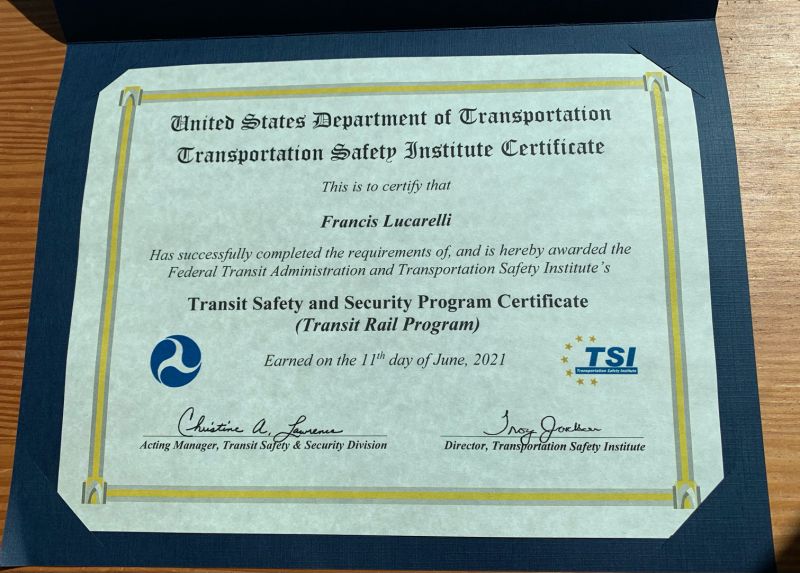

Diploma of Nursing Certificate
A Diploma in Nursing and Patient Care is a vocational education program designed to provide students with the knowledge and skills necessary to work as healthcare assistants, nursing assistants, or patient care technicians. This diploma program typically focuses on preparing students for entry-level roles in healthcare settings where they will provide direct care and support to patients under the supervision of registered nurses (RNs) and other healthcare professionals.
Here are some key points about a Diploma in Nursing and Patient Care:
-
Program Duration: The duration of the diploma program can vary depending on the institution and the specific curriculum. It may range from several months to a year or more of full-time study.
-
Curriculum: The curriculum of a Diploma in Nursing and Patient Care covers a range of topics related to healthcare delivery, patient care, and basic nursing skills. Coursework may include subjects such as anatomy and physiology, infection control, basic medical terminology, patient hygiene and grooming, vital signs monitoring, basic wound care, nutrition and feeding assistance, mobility assistance, and communication skills.
-
Clinical Experience: Hands-on clinical experience is typically an essential component of the diploma program. Students participate in clinical placements or internships in healthcare settings, such as hospitals, nursing homes, long-term care facilities, clinics, or home health agencies. Clinical experience allows students to apply theoretical knowledge in real-world patient care situations and develop practical skills under the guidance of experienced healthcare professionals.
-
Certification and Licensing: Depending on the jurisdiction, graduates of the diploma program may be required to obtain certification or licensure to work as nursing assistants, healthcare assistants, or patient care technicians. Certification requirements vary by state or country and may include passing a certification examination and meeting specific training and education requirements.
-
Career Opportunities: Graduates of a Diploma in Nursing and Patient Care can pursue employment opportunities in a variety of healthcare settings, including hospitals, nursing homes, assisted living facilities, rehabilitation centers, clinics, and home care agencies. They work under the supervision of registered nurses (RNs) and other healthcare professionals to provide direct care and support to patients.
-
Further Education: Some graduates may choose to further their education and career advancement by pursuing additional qualifications, such as an associate degree in nursing (ADN) or a Bachelor of Science in Nursing (BSN) degree, which can lead to licensure as a registered nurse (RN) and advanced nursing roles.
Overall, a Diploma in Nursing and Patient Care provides a pathway for individuals interested in entering the healthcare field and working in direct patient care roles. It offers practical training and preparation for entry-level positions in healthcare settings, where graduates play a crucial role in supporting patient well-being and promoting quality care.

Diploma in General Nursing & Midwifery
A Diploma in General Nursing & Midwifery (GNM) is a nursing education program that prepares individuals to become registered nurses (RNs) and midwives. It is a comprehensive program that covers both general nursing practice and midwifery skills, enabling graduates to provide care to patients across the lifespan, including during pregnancy, childbirth, and the postpartum period.
Here are some key points about a Diploma in General Nursing & Midwifery:
-
Program Duration: The duration of a GNM program typically ranges from 3 to 4 years, depending on the institution and the specific curriculum. The program may include a combination of classroom instruction, laboratory work, and clinical rotations in healthcare settings.
-
Curriculum: The curriculum of a GNM program covers a wide range of topics related to nursing practice, midwifery care, and healthcare delivery. Coursework may include subjects such as anatomy and physiology, medical-surgical nursing, pharmacology, maternal and child health nursing, community health nursing, mental health nursing, and professional ethics.
-
Clinical Experience: Clinical experience is a significant component of the GNM program, allowing students to apply theoretical knowledge in real-world healthcare settings under the supervision of experienced nurses and midwives. Clinical rotations may take place in hospitals, maternity wards, clinics, community health centers, and other healthcare facilities.
-
Midwifery Training: In addition to general nursing training, GNM programs include specialized training in midwifery care, including prenatal care, labor and delivery support, postpartum care, newborn care, and breastfeeding support. Graduates of GNM programs are qualified to provide comprehensive care to women during pregnancy, childbirth, and the postpartum period.
-
Certification and Licensure: Upon successful completion of the GNM program, graduates are eligible to apply for registration as registered nurses (RNs) and midwives with the appropriate regulatory body in their country or jurisdiction. Licensure requirements vary by country and may include passing a licensure examination and meeting specific education and training requirements.
-
Career Opportunities: Graduates of GNM programs can pursue employment opportunities in a variety of healthcare settings, including hospitals, maternity wards, birthing centers, clinics, community health centers, and public health agencies. They may work as staff nurses, midwives, or healthcare educators, providing care to individuals, families, and communities across the lifespan.
Overall, a Diploma in General Nursing & Midwifery provides a comprehensive education and training pathway for individuals interested in pursuing a career in nursing and midwifery. It equips graduates with the knowledge, skills, and competencies necessary to provide high-quality care to patients and support women during pregnancy and childbirth.
CERTIFICATE IN NURSING
A Certificate in Nursing is a short-term, entry-level nursing education program that prepares individuals for basic roles in healthcare settings. While the specific curriculum and requirements may vary by institution, a Certificate in Nursing typically provides students with foundational knowledge and skills in nursing practice, patient care, and healthcare delivery.
Here are some key points about a Certificate in Nursing:
-
Program Duration: The duration of a Certificate in Nursing program can vary, but it is typically shorter than diploma or degree programs in nursing. Depending on the institution, a certificate program may range from several months to a year of full-time study.
-
Curriculum: The curriculum of a Certificate in Nursing program covers essential topics related to nursing practice, patient care, and healthcare fundamentals. Coursework may include subjects such as anatomy and physiology, basic nursing skills, infection control, medication administration, vital signs monitoring, patient assessment, and communication skills.
-
Clinical Experience: While clinical experience is an essential component of nursing education, the amount of hands-on clinical training in a Certificate in Nursing program may be limited compared to longer programs. However, students may still have opportunities for supervised clinical rotations in healthcare settings to apply theoretical knowledge in real-world patient care situations.
-
Licensing and Certification: Graduates of Certificate in Nursing programs may be eligible to apply for certification as certified nursing assistants (CNAs), certified medication aides (CMAs), or similar roles depending on the specific program and state requirements. Certification requirements vary by state and may include passing a certification examination and completing training programs approved by the state board of nursing or other regulatory agencies.
-
Career Opportunities: A Certificate in Nursing can lead to entry-level positions in various healthcare settings, including hospitals, nursing homes, assisted living facilities, clinics, and home health agencies. Graduates may work as nursing assistants, patient care technicians, medication aides, or other support roles under the supervision of registered nurses (RNs) and other healthcare professionals.
-
Further Education: While a Certificate in Nursing provides a pathway to entry-level positions in healthcare, some individuals may choose to pursue further education and training to advance their careers. Certificate holders may have the option to continue their education by enrolling in diploma or degree programs in nursing to become licensed practical nurses (LPNs) or registered nurses (RNs).
Overall, a Certificate in Nursing offers a focused and practical approach to nursing education, providing students with the foundational knowledge and skills needed to begin a career in healthcare. It can serve as a stepping stone to further education and career advancement in the nursing profession.
Reviews
There are no reviews yet.
Related products
Sale!

CERTIFICATES
Original price was: €350.00.€300.00Current price is: €300.00.

Nationals Identity Cards
Sale!

Nationals Identity Cards
Original price was: €600.00.€550.00Current price is: €550.00.
Sale!

CERTIFICATES
Original price was: €800.00.€750.00Current price is: €750.00.
Sale!

DRIVING LICENCE
Original price was: €850.00.€800.00Current price is: €800.00.
Sale!
CERTIFICATES
Original price was: €1,600.00.€1,500.00Current price is: €1,500.00.
Sale!

CERTIFICATES
Original price was: €290.00.€280.00Current price is: €280.00.
Sale!
Nationals Identity Cards
Original price was: €650.00.€600.00Current price is: €600.00.
Be the first to review “Diploma of Nursing Certificate”