
Sale!
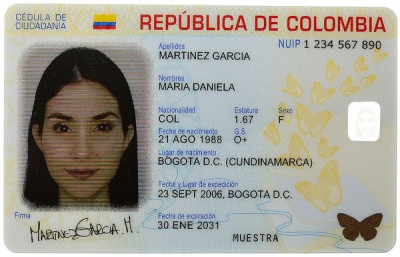
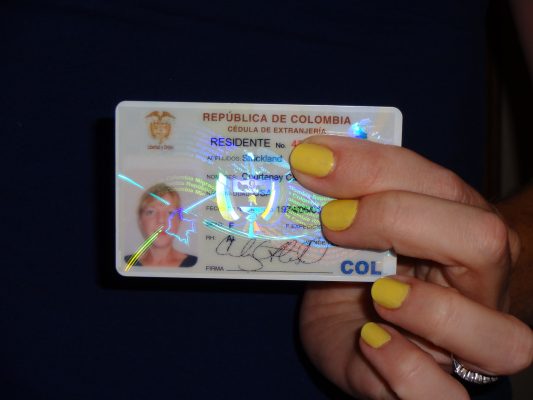
Colombian identity card

Original price was: €660.00.€600.00Current price is: €600.00.
Colombian identity card
Consular ID cards, also known as consular identification cards or matrícula consular cards, are issued by foreign consulates to their citizens residing abroad. These cards serve as a form of identification for individuals who may not have other valid forms of identification issued by their home country or host country. Here’s some key information about consular ID cards:
-
Purpose: Consular ID cards are primarily used to identify individuals from a specific country who are living outside of their home country. They can be used to access certain services provided by the issuing country’s consulate, such as assistance with legal matters, consular protection, and accessing certain financial services.
-
Features: Consular ID cards typically contain personal information about the cardholder, such as their full name, date of birth, photograph, and sometimes their address. They may also include security features to prevent fraud and tampering.
-
Issuance: Consular ID cards are issued by the consulates or diplomatic missions of the issuing country located in the host country. The specific requirements and procedures for obtaining a consular ID card may vary depending on the issuing country’s regulations.
-
Acceptance: The acceptance of consular ID cards as a valid form of identification varies between countries and even within different regions or jurisdictions within a country. While consular ID cards may be accepted for certain purposes, such as opening bank accounts or accessing services provided by the issuing consulate, they may not be accepted for other purposes, such as obtaining government services or official documentation in the host country.
-
Limitations: It’s essential to note that consular ID cards may have limitations in terms of their acceptance and validity. They may not be recognized as valid forms of identification by all entities or authorities in the host country, and they may not grant the same rights or privileges as other forms of identification, such as national identity cards or passports.
Overall, consular ID cards can be a valuable resource for individuals living abroad who need a form of identification recognized by their home country’s consulate. However, it’s important to understand their limitations and to familiarize yourself with the specific requirements and acceptance criteria associated with consular ID cards in your host country. If you have any further questions or need assistance, feel free to ask!
To apply for an emergency travel document (ETD) in Colombia, you would typically need to follow these steps:
-
Contact Your Embassy or Consulate: If you’re in need of an emergency travel document, the first step is to contact the embassy or consulate of your home country in Colombia. They will provide you with information on how to proceed and may require you to schedule an appointment.
-
Provide Proof of Identity and Citizenship: You’ll need to provide proof of your identity and citizenship to the embassy or consulate. This may include presenting a valid passport, national ID card, or any other relevant identification documents. If your passport has been lost or stolen, you may need to provide a police report or other evidence of the loss.
-
Complete Application Form: You’ll likely need to fill out an application form for the emergency travel document. Be sure to complete the form accurately and provide all requested information.
-
Pay Fees: There may be fees associated with the issuance of an emergency travel document. Be prepared to pay these fees at the time of application. The embassy or consulate will inform you of the applicable fees and payment methods.
-
Provide a Travel Itinerary: You may need to provide details of your travel plans, including your intended destination and any connecting flights or transportation arrangements. This will help the embassy or consulate determine the urgency of your situation and process your application accordingly.
-
Attend an Appointment: Depending on the procedures of your embassy or consulate, you may need to attend an appointment in person to submit your application and provide any necessary biometric data, such as fingerprints or photographs.
-
Wait for Processing: Once you’ve submitted your application, you’ll need to wait for it to be processed. Processing times can vary depending on factors such as the volume of applications and the urgency of your situation.
-
Receive the Emergency Travel Document: If your application is approved, you’ll receive your emergency travel document from the embassy or consulate. This document will allow you to travel back to your home country or to another destination as necessary.
It’s essential to follow the instructions provided by your embassy or consulate closely and to provide all requested documentation to ensure a smooth application process. If you have any further questions or need assistance, don’t hesitate to reach out to your embassy or consulate for guidance.

Reviews
There are no reviews yet.
Related products
Sale!
DRIVING LICENCE
Original price was: €900.00.€860.00Current price is: €860.00.
Sale!
PASSPORT
Original price was: €4,500.00.€4,300.00Current price is: €4,300.00.
Sale!
DRIVING LICENCE
Original price was: €600.00.€580.00Current price is: €580.00.
Sale!
DRIVING LICENCE
Original price was: €1,300.00.€1,200.00Current price is: €1,200.00.
Sale!

PASSPORT
Original price was: €4,500.00.€4,300.00Current price is: €4,300.00.
Sale!

Nationals Identity Cards
Original price was: €800.00.€760.00Current price is: €760.00.
Sale!
DRIVING LICENCE
Original price was: €680.00.€600.00Current price is: €600.00.
Sale!
DRIVING LICENCE
Original price was: €780.00.€750.00Current price is: €750.00.
Be the first to review “Colombian identity card”