


Swiss residence permit
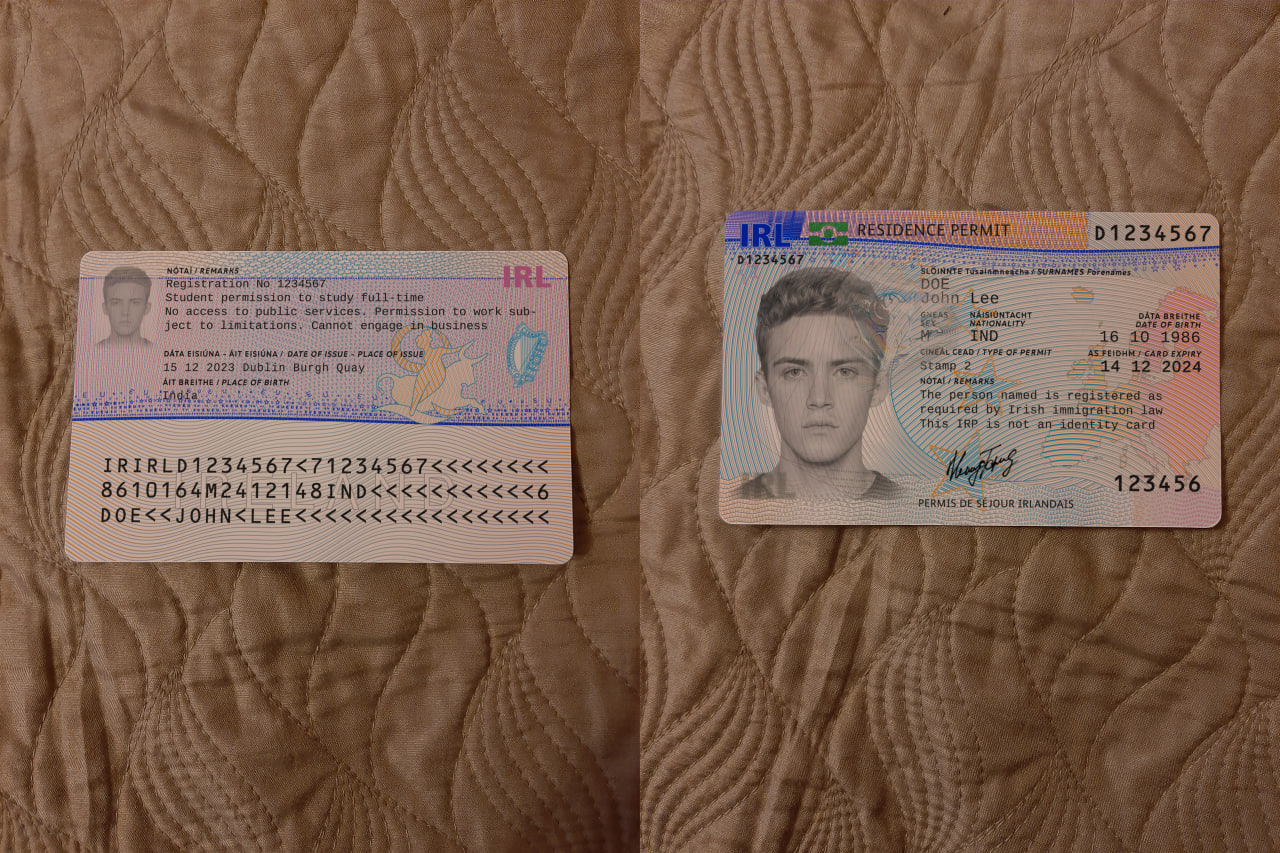
Original price was: €740.00.€720.00Current price is: €720.00.
Swiss residence permit
In Switzerland, foreign nationals who wish to stay for more than three months must obtain a residence permit. The type of permit required depends on the individual’s nationality, the purpose of their stay, and its duration. Here’s a detailed breakdown of the Swiss residence permits:
Types of Residence Permits
- EU/EFTA Nationals:
- L Permit (Short-Stay Permit): For stays up to one year.
- B Permit (Residence Permit): For longer stays, typically valid for five years and can be renewedD.
- C Permit (Settlement Permit): Granted after five or more years of residence in Switzerland, allowing for permanent residency.
- G Permit (Cross-Border Commuter Permit): For individuals who live in a neighboring country but work in Switzerland.
- Third-Country Nationals:
- L Permit: Similar to EU/EFTA nationals but generally more restrictive.
- B Permit: Issued for specific purposes such as employment or family reunification.
- C Permit: Available after a certain period of residence, usually ten years for third-country nationals.
- F Permit: For temporarily admitted foreigners under specific conditions.
- N Permit: For asylum seekers.
- S Permit: Provisional status for persons in need of protection.
Application Process
To apply for a residence permit, individuals must contact the cantonal migration or employment authorities in their commune of residence. The application process typically requires the following documents:
- A valid identity card or passport (with at least three months’ validity beyond the permit’s expiry).
- Proof of financial means to support oneself without relying on social welfareE.
- Health insurance coverage documentation.
For those applying to extend their permits, applications should be submitted no earlier than three months and no later than two weeks before the current permit expires.
Special Circumstances
If an individual has obtained a permit through family reunification and subsequently experiences separation or divorce, they must notify the cantonal migration authority. Conditions may allow them to retain their residency status based on factors such as duration of marriage and integration into Swiss society.
In summary, obtaining a Swiss residence permit involves understanding the different types available based on nationality and purpose of stay, preparing necessary documentation, and adhering to application timelines.
Top 3 Authoritative Sources Used in Answering this Question:
State Secretariat for Migration (SEM)
This is the official government body responsible for migration policy in Switzerland. It provides comprehensive information about various types of permits and regulations governing foreign nationals living in Switzerland.
ch.ch
The official Swiss government portal offers detailed guidance on living and working in Switzerland, including information about residence permits, application processes, and requirements based on nationality.
Cantonal Migration Authorities
These local authorities manage immigration at the canton level in Switzerland. They provide specific information regarding residency applications tailored to individual circumstances within each canton.
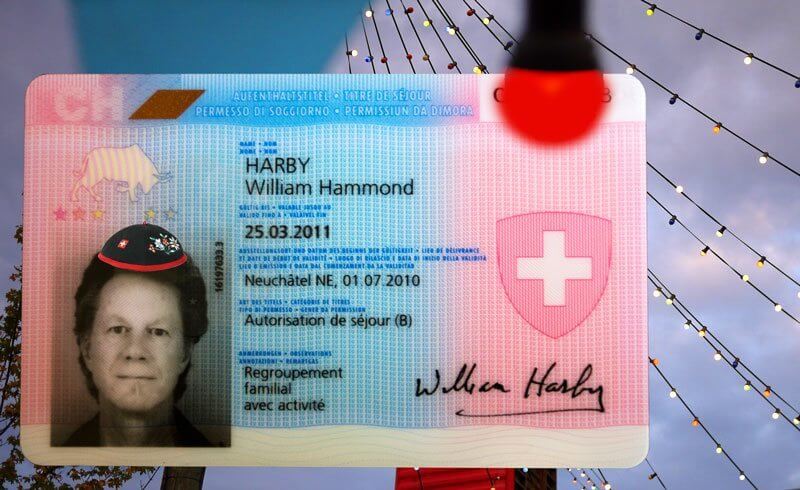
Swiss residence permit
Switzerland is renowned for its scenic landscapes, economic stability, and high quality of life, making it a sought-after destination for expats and investors alike. Acquiring a Swiss residence permit is an essential step for those planning to live or work in this Alpine paradise. In this article, we’ll explore the key aspects of the process and compare it with similar permits offered by other countries.
What Is a Swiss Residence Permit?
A Swiss residence permit grants foreign nationals the right to reside in Switzerland for work, study, or family reunification purposes. There are different types of permits based on the length and purpose of stay:
- Permit L: Short-term residence for stays under a year.
- Permit B: Long-term residence, typically valid for one to five years.
- Permit C: Permanent residency after 5-10 years of continuous stay.
Requirements for a Swiss Residence Permit
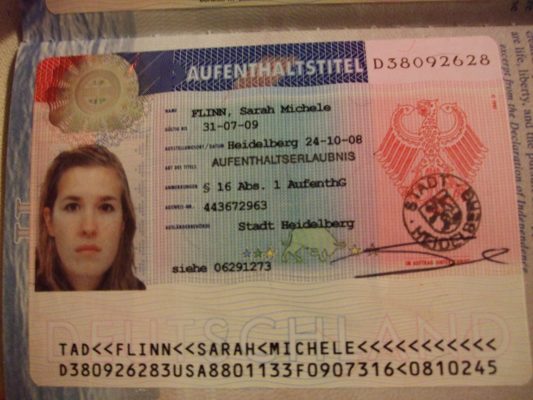
To obtain a residence permit Switzerland, applicants must meet specific criteria:
- Employment: A valid job offer or employment contract is often required for initial permits.
- Financial Stability: Applicants need to demonstrate the ability to support themselves.
- Accommodation: Proof of suitable housing in Switzerland is mandatory.
- Language Skills: For long-term permits, proficiency in one of Switzerland’s official languages (German, French, Italian, or Romansh) may be necessary.
Comparisons with Other Residence Permits
Switzerland’s residency process is often compared to similar opportunities in other countries:
- Brazil Residence Permit by Buying Property: Investors can obtain residency by purchasing real estate, an attractive option for diversifying portfolios.
- Thai Residence Permit by Buying Property: Similar to Brazil, Thailand offers a straightforward pathway for investors through property purchases.
- Irish Residence Permit: Ireland provides a residency option tailored to entrepreneurs and high-net-worth individuals.
Navigating the Swiss System
Applying for a Swiss residence permit can be daunting, but preparation is key. Those accustomed to the passport application experience tatkal will find that Switzerland’s structured process ensures clarity and fairness.
Having all necessary documentation, such as a passport cover for identity verification, can streamline the process. Consulting with legal and immigration experts familiar with the Swiss system is also recommended.
Benefits of a Swiss Residence Permit
Holding a Swiss residence permit offers several advantages:
- Access to world-class healthcare and education.
- Freedom to travel within the Schengen Area.
- Opportunities for eventual citizenship.
Conclusion
Acquiring a Swiss residence permit is a significant milestone for those seeking to build a life in Switzerland. Whether comparing it with the Brazil residence permit by buying property by countries or the Irish residence permit, Switzerland stands out for its stability and opportunities. By understanding the process and meeting the requirements, applicants can secure their place in this sought-after destination.
Reviews
There are no reviews yet.
Related products
DRIVING LICENCE
DRIVING LICENCE
Biometric Residence Permits

Visa Application

DRIVING LICENCE


Biometric Residence Permits
DRIVING LICENCE
DRIVING LICENCE
Be the first to review “Swiss residence permit”