
Driver and Vehicle Licensing Agency
Original price was: €820.00.€750.00Current price is: €750.00.
Driver and Vehicle Licensing Agency
In the UK, the validity of foreign driving licenses depends on the country of issue and the driver’s residency status. Here’s a detailed overview of which driving licenses are valid in the UK and under what conditions:
EU/EEA Driving Licenses
- Validity:
- If you hold a driving license from an EU or EEA country, you can use it in the UK until you are 70 or for three years after becoming a UK resident, whichever is longer.
- After this period, you need to exchange it for a UK driving license.
- Exchanging Your License:
- You can exchange your EU/EEA driving license for a UK license without taking a driving test.
Licenses from Designated Countries
The UK has reciprocal agreements with several countries, allowing drivers to exchange their foreign licenses for UK licenses without taking a driving test. Some of these designated countries include:
- Australia
- Canada
- Japan
- New Zealand
- Singapore
- South Africa
- South Korea
- Switzerland
- And some others
- Validity:
- You can drive in the UK for up to 12 months from the date you became a UK resident.
- Exchanging Your License:
- You can exchange your driving license for a UK license within five years of becoming a UK resident without taking a test.
Licenses from Non-Designated Countries
If your driving license was issued in a country that is not an EU/EEA member or a designated country, the rules are different:
- Validity:
- You can drive in the UK for up to 12 months from the date you became a UK resident.
- Obtaining a UK License:
- After 12 months, you must obtain a UK provisional license and pass the UK driving theory and practical tests to get a full UK driving license.
International Driving Permits (IDP)
- Visitors:
- If you are visiting the UK and hold a valid driving license from your home country, you can drive for up to 12 months. Having an International Driving Permit (IDP) is recommended if your license is not in English.
- Residents:
- If you become a UK resident, the validity rules for your home country’s license will apply as mentioned above (depending on whether it’s an EU/EEA, designated, or non-designated country).
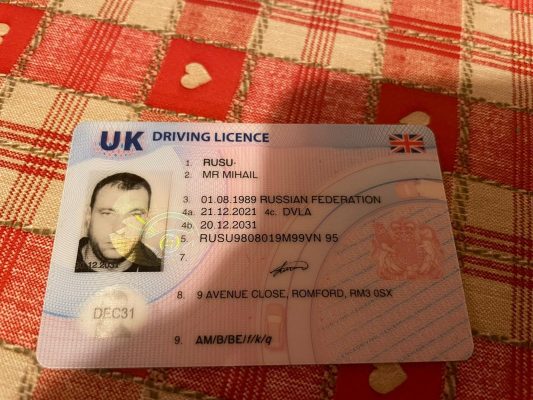
Steps to Exchange a Foreign License
- Check Eligibility:
- Confirm that your license is from an EU/EEA country or a designated country.
- Gather Documentation:
- Your foreign driving license (and an official translation if it’s not in English).
- Proof of identity (e.g., passport, UK residence card).
- A passport-sized photo.
- The applicable fee.
- Complete the Application:
- Fill out the D1 application form available at post offices or download it from the GOV.UK website.
- Submit the Application:
- Send your completed application form along with the required documents and fee to the DVLA.
Driver and Vehicle Licensing Agency
The Driver and Vehicle Licensing Agency (DVLA) is an executive agency of the UK Department for Transport (DfT). It is responsible for maintaining a database of drivers and vehicles in Great Britain, and its key functions include:
- Issuing Driving Licenses: The DVLA is responsible for issuing and renewing driving licenses. This includes provisional licenses for learner drivers, full licenses for qualified drivers, and various endorsements or penalties related to driving offenses.
- Vehicle Registration: The agency registers vehicles and issues registration certificates (V5C). This ensures that every vehicle on the road can be traced back to its owner.
- Collecting Vehicle Excise Duty (VED): Often referred to as “road tax,” the DVLA collects this tax from vehicle owners. The amount of VED is based on factors such as the vehicle’s type, age, and CO2 emissions.
- Maintaining Driver and Vehicle Records: The DVLA keeps extensive records on drivers and vehicles. This includes information about the drivers’ qualifications, endorsements, and medical conditions that may affect their driving.
- Enforcing Road Traffic Law: In collaboration with other agencies, the DVLA helps enforce laws related to vehicle ownership and driving. This includes clamping and impounding uninsured or untaxed vehicles.
- Medical Assessments for Drivers: The DVLA conducts medical assessments for drivers to determine their fitness to drive. This is particularly important for drivers with certain medical conditions that might impair their ability to drive safely.
- Providing Information to Law Enforcement and Other Agencies: The DVLA shares information from its database with law enforcement agencies, local authorities, and other government departments to help in their respective functions.
- Promoting Road Safety: Through various initiatives and collaborations, the DVLA aims to promote road safety by ensuring that only qualified and fit individuals are allowed to drive.
The DVLA operates primarily out of its headquarters in Swansea, Wales. For individuals and businesses, interacting with the DVLA is typically done through its online services, although postal and in-person services are also available for certain transactions.
The DVLA (Driver and Vehicle Licensing Agency) provides a wide range of services and information on the GOV.UK website. Here’s a summary of the main areas covered by the DVLA on GOV.UK:
Driver Services
- Driving Licenses:
- Apply for Your First Provisional Driving License: Guidance on how to apply for a provisional driving license.
- Renew Your Driving License: Information on how to renew your driving license when it expires.
- Replace a Lost, Stolen, or Damaged Driving License: Steps to take if your license is lost, stolen, or damaged.
- Change the Address on Your Driving License: How to update your address on your driving license.
- Medical Conditions and Driving:
- Report a Medical Condition: How to report a medical condition that may affect your driving.
- Medical Rules for Drivers: Information on the medical standards required for driving.
- Penalty Points and Driving Bans:
- Check Your Driving Record: How to check your driving record for penalty points or disqualifications.
- Disqualification from Driving: Information on what to do if you’ve been disqualified from driving.
Vehicle Services
- Vehicle Registration:
- Registering a Vehicle: How to register a new or used vehicle.
- Vehicle Registration Certificate (V5C) Changes: How to update details on your V5C.
- Vehicle Tax:
- Tax Your Vehicle: How to pay vehicle tax online.
- Check if a Vehicle is Taxed: A service to check the tax status of a vehicle.
- SORN (Statutory Off Road Notification): How to declare your vehicle off the road.
- Buying and Selling Vehicles:
- Tell DVLA You’ve Bought or Sold a Vehicle: What to do when you buy or sell a vehicle.
- Vehicle History Checks: Services to check the history of a vehicle.
Additional Services
- Number Plates:
- Apply for a Personalized Number Plate: How to apply for a personalized registration number.
- Number Plate Retention and Transfer: How to retain or transfer a number plate.
- Driver and Vehicle Information:
- Request Information About Your Vehicle: How to get information that DVLA holds about your vehicle.
- Get Vehicle Information from DVLA: Service to obtain information about a vehicle’s registered keeper, subject to certain conditions.
- Online Tools and Services:
- DVLA Online Services: A suite of online tools for various DVLA services, such as checking MOT history, viewing driving license information, and more.
Contact and Support
- Contact DVLA: Information on how to contact DVLA by phone, email, or post.
- DVLA Forms: Access to various DVLA forms that can be downloaded and printed.
- Complaints Procedure: How to file a complaint with the DVLA if you’re dissatisfied with their services.
The GOV.UK website provides comprehensive and user-friendly access to all these services, allowing users to manage their driving and vehicle-related needs efficiently.
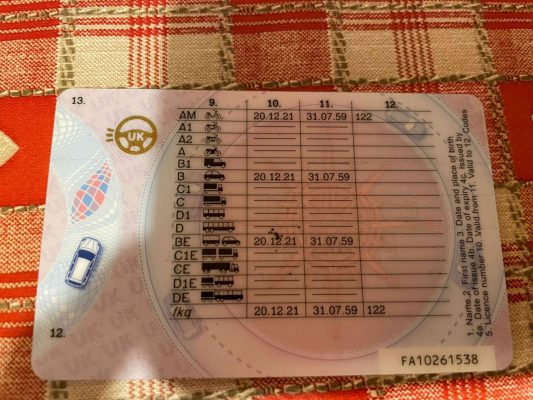
A driving license is an official document issued by the Driver and Vehicle Licensing Agency (DVLA) in the UK that permits an individual to operate a motor vehicle on public roads. Here’s a comprehensive guide to the key aspects of driving licenses, including how to apply, renew, replace, and update your license.
Types of Driving Licenses
- Provisional License: This is the first step for new drivers. It allows you to start learning to drive and take your driving test.
- Full License: Issued once you pass your driving test, allowing you to drive unsupervised.
- Other Categories: There are specific licenses for different types of vehicles, such as motorcycles, buses, and heavy goods vehicles.
Applying for a Provisional License
- Eligibility:
- You must be at least 15 years and 9 months old.
- You can start driving a car at 17, or 16 if you receive the higher rate of the mobility component of Disability Living Allowance (DLA).
- How to Apply:
- Online: Apply on the GOV.UK website using your Government Gateway ID.
- By Post: Complete the D1 application form available at post offices and send it with the required documents and fee.
Full Driving License
- Eligibility:
- Pass the driving theory test.
- Pass the practical driving test.
- How to Apply for a Full License:
- After passing your test, your driving examiner will typically handle the application process for you. If not, you’ll need to apply online or by post using the pass certificate number.
Renewing Your Driving License
- When to Renew:
- Every 10 years, or at age 70 and then every three years thereafter.
- How to Renew:
- Online: Renew your license on the GOV.UK website.
- By Post: Use the D798 renewal form sent by the DVLA or get a D1 form from a post office.
Replacing a Lost, Stolen, or Damaged License
- How to Replace:
- By Post: Complete a D1 form and send it with the required fee.
Updating Your License Details
- Change of Address:
- You must update your driving license when you move. This can be done online or by post using the D1 form.
- Change of Name:
- To update your name, send your driving license and the necessary documentation (e.g., marriage certificate, deed poll) to the DVLA.
Medical Conditions and Your License
- Reporting Medical Conditions:
- Certain medical conditions must be reported to the DVLA as they can affect your ability to drive safely.
- Medical Review Process:
- The DVLA will assess your fitness to drive, which may include a medical examination or a review of your medical history.
Checking Your Driving Record
- Use the View Driving Licence Information service on GOV.UK to check for penalty points, endorsements, and other details.
How to get a driving licence in the UK for foreign?
If you are a foreign national and wish to obtain a driving license in the UK, the process will vary depending on whether you already hold a driving license from another country and how long you plan to stay in the UK. Here is a detailed guide to help you through the process:
Driving on a Foreign License in the UK
- EU/EEA License Holders:
- If you hold a driving license from an EU or EEA country, you can drive in the UK using your existing license until you are 70 or for three years after becoming a UK resident, whichever is longer.
- After this period, you need to exchange your license for a UK one.
- Non-EU/EEA License Holders:
- If you hold a license from a non-EU/EEA country, you can drive in the UK for up to 12 months from the date you became a UK resident.
- After 12 months, you must obtain a UK driving license to continue driving.
Exchanging a Foreign License for a UK License
- Eligibility:
- You can exchange your license if it is from a designated country (e.g., Australia, Canada, Japan, South Africa, etc.).
- Check the full list of designated countries on the GOV.UK website.
- How to Exchange:
- Complete the D1 application form, available at post offices.
- Send the completed form with the following to the DVLA:
- Your original driving license (and an official translation if it’s not in English).
- A passport-sized photo.
- Proof of identity (e.g., passport, UK residence card).
- The applicable fee (check the current fee on the GOV.UK website).
Applying for a UK Driving License
If you cannot exchange your foreign license, you will need to follow the same steps as a new driver in the UK:
- Apply for a Provisional License:
- Eligibility: You must be at least 15 years and 9 months old. You can start driving a car at 17.
- How to Apply:
- Apply online on the GOV.UK website.
- By post using the D1 form available at post offices.
- Learning to Drive:
- You can start driving as a learner with a provisional license. You must be supervised by a qualified driver and display L plates on your vehicle.
- Consider taking lessons with a certified driving instructor.
- The Driving Theory Test:
- Book and pass the theory test, which includes a multiple-choice section and a hazard perception test.
- You can book the theory test online on the GOV.UK website.
- The Practical Driving Test:
- After passing the theory test, book and take the practical driving test.
- You can book the practical test online on the GOV.UK website.
- Receiving Your Full License:
- If you pass the practical test, you will receive a pass certificate and can apply for a full driving license.
Key Considerations
- Insurance: Ensure you have appropriate insurance coverage while driving on a foreign or provisional license.
- Documentation: Keep your identification documents and proof of residency up to date, as they will be required during the application process.
- Driving Lessons: Taking professional driving lessons can increase your chances of passing the practical test.
Reviews
There are no reviews yet.
Related products

PASSPORT
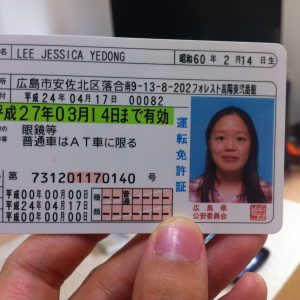
DRIVING LICENCE
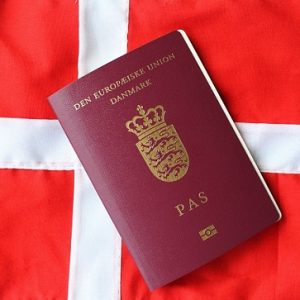
PASSPORT
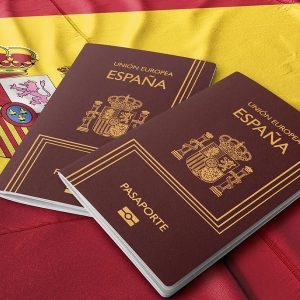
PASSPORT
Nationals Identity Cards
DRIVING LICENCE
PASSPORT

PASSPORT
Be the first to review “Driver and Vehicle Licensing Agency”