
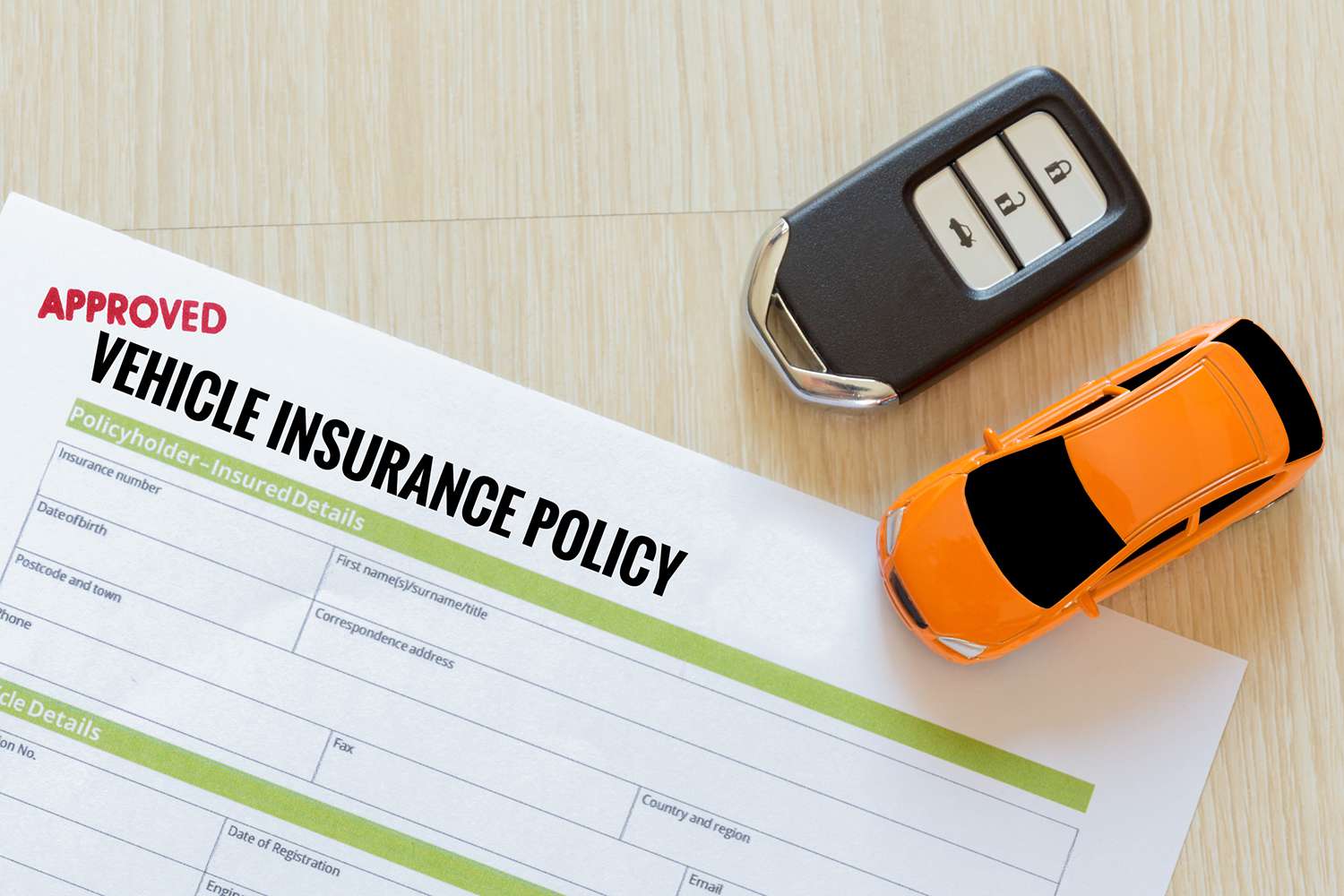
Renew Car Insurance online bc


Original price was: €290.00.€280.00Current price is: €280.00.
Renew Car Insurance online bc
In Ireland, car insurance operates similarly to other countries but with some unique characteristics due to local regulations and market conditions. Here’s an overview of car insurance in Ireland:
- Types of Coverage:
- Third Party Only (TPO): Covers liability for damage to other vehicles or property and injury to other people but does not cover damage to your own vehicle.
- Third Party, Fire, and Theft (TPFT): Provides the same coverage as TPO and also covers your vehicle if it’s stolen or damaged by fire.
- Comprehensive: Offers the widest coverage, including damage to your own vehicle in addition to TPO and TPFT benefits.
- Factors Affecting Premiums:
- Similar to other countries, premiums are influenced by factors such as your age, driving experience, claims history, type of vehicle, location, and annual mileage.
- Insurance companies in Ireland may also consider the area where your car is parked overnight, whether it’s in a garage or on the street.
- No Claims Bonus (NCB):
- Irish insurers offer NCB as a discount on premiums for drivers who have not made any claims during the policy term.
- NCB can lead to significant reductions in premiums and is a common feature in Irish car insurance policies.
- Shopping for Insurance:
- Like elsewhere, it’s advisable to compare quotes from multiple insurance providers to find the best coverage at the most competitive price.
- Irish insurance comparison websites allow you to easily compare policies from different insurers based on your specific requirements.
- Legal Requirements:
- In Ireland, it’s mandatory to have at least third-party insurance to drive legally on public roads.
- Driving without insurance or with insufficient coverage can result in hefty fines, penalty points on your license, or even disqualification from driving.
- Renewal and Management:
- Car insurance policies typically last for one year and must be renewed annually.
- It’s essential to review your policy at renewal time to ensure it still meets your needs and to shop around for better deals if necessary.
No-fault motor vehicle insurance is a type of insurance system where, after an accident, each party’s own insurance company pays for their policyholder’s damages, regardless of who was at fault. This system is designed to simplify the claims process, reduce legal and administrative costs, and provide quicker payouts to those injured in automobile accidents. Here are some key aspects of no-fault insurance:
Key Features of No-Fault Insurance
- Personal Injury Protection (PIP):
- This coverage is central to no-fault insurance. PIP pays for medical expenses, lost wages, and other related costs for the policyholder and passengers, regardless of who caused the accident.
- It may also cover services like rehabilitation, funeral costs, and sometimes essential services that the injured person cannot perform due to their injuries.
- Limited Right to Sue:
- In no-fault states, the right to sue the other party for damages is often restricted. Policyholders can usually only sue for severe injuries, significant medical expenses, pain and suffering, or if the costs exceed a certain monetary threshold.
- No Need to Prove Fault:
- Claims are processed faster because there is no need to determine who was at fault in the accident. Each driver’s own insurance covers their losses, reducing disputes and legal battles.
Advantages of No-Fault Insurance
- Speedier Compensation: Victims receive compensation from their own insurer more quickly.
- Reduced Litigation: The system decreases the need for lawsuits, which can be lengthy and expensive.
- Lower Administrative Costs: Streamlined claims processing can lower overall costs for insurance companies.
Disadvantages of No-Fault Insurance
- Limited Legal Recourse: Victims of accidents may have limited ability to sue for damages,
- Renewing your car insurance at the optimal time can potentially save you money and ensure continuous coverage without any gaps. Here are some tips on the best time to renew your car insurance:
-
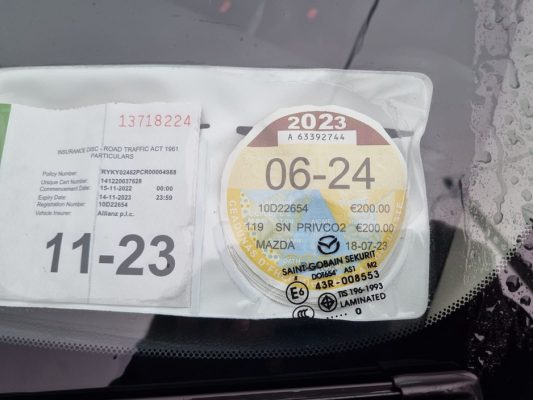
Renew Car Insurance online bc 1. Renew Early
- 45 to 30 Days Before Expiration: Start shopping for new quotes about 45 to 30 days before your current policy expires. Many insurers offer early renewal discounts if you secure a new policy ahead of time.
2. Avoid Last-Minute Renewals
- 1 to 2 Weeks Before Expiration: Avoid waiting until the last week to renew your policy. Last-minute renewals might result in higher premiums and leave you with limited options.
3. Consider Annual Renewal Timing
- Policy Anniversary Date: Review your policy on its anniversary date each year. Insurance companies often re-evaluate rates and offer competitive pricing at this time.
4. Review Personal Circumstances
- Major Life Changes: If you’ve recently had significant changes like buying a new car, moving to a new location, or changes in your credit score, it might be a good time to review and renew your policy to ensure it meets your new needs.
5. Take Advantage of Discounts
- Loyalty Discounts: Some insurers offer discounts for renewing with them, especially if you’ve been a long-term customer. Check for loyalty benefits or multi-policy discounts if you have other insurance products with the same company.
6. Seasonal Considerations
- End of Financial Quarters: Insurance companies might offer better deals towards the end of financial quarters (March, June, September, December) as they may be looking to meet sales targets.
7. Review Market Trends
- Annual Market Review: Keep an eye on market trends and new policy offerings annually. Insurance companies frequently adjust their rates and introduce new discounts.
8. Policy Features and Coverage
- Coverage Needs Review: Ensure that your policy still provides the coverage you need. Changes in your driving habits or financial situation might require adjustments in your coverage levels.
9. Regulatory Changes
- Legislation Updates: Stay informed about any changes in insurance regulations in your state, which can impact rates and coverage requirements.
10. Monitor Your Credit Score
- Credit Score Check: Since your credit score can impact your insurance premiums, make sure your score is in good shape before renewing.
Conclusion
The best time to renew your car insurance is typically about 45 to 30 days before your current policy expires. This gives you ample time to compare rates, take advantage of early renewal discounts, and ensure that your coverage aligns with any recent changes in your circumstances. Regularly reviewing your policy and staying informed about market trends and personal changes can help you make the most cost-effective and suitable insurance decisions.
Renew Car Insurance online bc
Sure, I can provide information on car insurance. Car insurance is a contract between you and an insurance company that helps cover costs in case of accidents, theft, or damage to your vehicle. Here are some key points about car insurance:
- Types of Coverage:
- Liability Insurance: Covers the costs if you’re responsible for injuring someone or damaging their property in an accident.
- Collision Insurance: Pays for repairs to your car if it’s damaged in a collision with another vehicle or object.
- Comprehensive Insurance: Covers damage to your car from non-collision incidents such as theft, vandalism, or natural disasters.
- Uninsured/Underinsured Motorist Coverage: Protects you if you’re in an accident caused by a driver with insufficient insurance or no insurance at all.
- Personal Injury Protection (PIP): Covers medical expenses for you and your passengers regardless of fault in an accident.
- Medical Payments Coverage: Similar to PIP but may have different coverage limits and requirements.
- Factors Affecting Premiums:
- Driving Record: Your history of accidents, traffic violations, and claims affects your premium.
- Age and Gender: Younger drivers and males tend to have higher premiums due to higher accident rates.
- Location: Areas with higher rates of accidents, theft, or vandalism may have higher premiums.
- Type of Car: The make, model, year, and safety features of your car can impact premiums.
- Usage: How often and how far you drive, as well as the purpose of use (e.g., personal, business), affect premiums.
- Credit Score: In some states, insurance companies use credit scores to determine premiums.
- Deductible: Choosing a higher deductible can lower your premium but means you’ll pay more out of pocket in case of a claim.
- Shopping for Insurance:
- Compare quotes from multiple insurers to find the best coverage at the most competitive price.
- Consider bundling policies (e.g., auto and home insurance) with the same insurer for potential discounts.
- Look for discounts such as safe driver discounts, multi-car discounts, or discounts for safety features on your vehicle.
- Renewing and Managing Your Policy:
- Review your policy annually to ensure it still meets your needs and coverage requirements.
- Renew your policy before it expires to avoid any gaps in coverage.
- Notify your insurer of any changes to your circumstances that may affect your coverage or premium.
Understanding these aspects of car insurance can help you make informed decisions when purchasing and managing your policy.
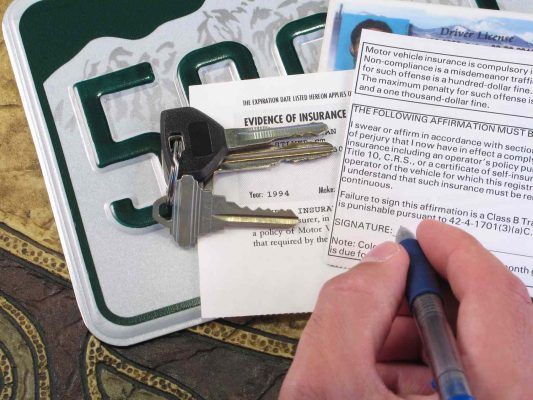
To get auto insurance, you’ll typically follow these steps:
- Gather Information: Collect information about your vehicle, including its make, model, year, and Vehicle Identification Number (VIN). You’ll also need personal information such as your driver’s license number and driving history.
- Determine Coverage Needs: Decide what type of coverage you need based on your circumstances and preferences. Consider factors like your budget, the value of your car, and any legal requirements in your state.
- Research Insurance Companies: Look for reputable insurance companies that offer auto insurance. You can research online, ask for recommendations from friends or family, or use comparison websites to compare quotes from multiple insurers.
- Get Quotes: Contact insurance companies directly or use their websites to get quotes for the coverage you need. Make sure to provide accurate information to get accurate quotes.
- Compare Quotes and Coverage: Once you have quotes from multiple insurers, compare them carefully. Consider not only the premium but also the coverage limits, deductibles, and any additional benefits or discounts offered.
- Choose a Policy: Select the auto insurance policy that best fits your needs and budget. Pay attention to the coverage details and ensure you understand what is and isn’t covered.
- Complete the Application: Fill out the application form provided by the insurance company. You’ll need to provide personal information, details about your vehicle, and information about your driving history.
- Review Policy Details: Before finalizing the purchase, carefully review all the details of the policy, including coverage limits, deductibles, exclusions, and any additional features or riders.
- Make Payment: Pay the premium for your auto insurance policy using the payment method accepted by the insurer. You may be able to pay online, over the phone, or by mail.
- Receive Confirmation: Once your payment is processed, you should receive confirmation of your auto insurance coverage. This may be in the form of a policy document, an email confirmation, or both.
It’s important to keep your auto insurance policy up to date by renewing it before it expires and notifying your insurer of any changes to your circumstances that may affect your coverage or premium.

Reviews
There are no reviews yet.
Related products

PASSPORT

DRIVING LICENCE

PASSPORT

PASSPORT

Biometric Residence Permits
DRIVING LICENCE

Biometric Residence Permits

PASSPORT
Be the first to review “Renew Car Insurance online bc”