
Sale!

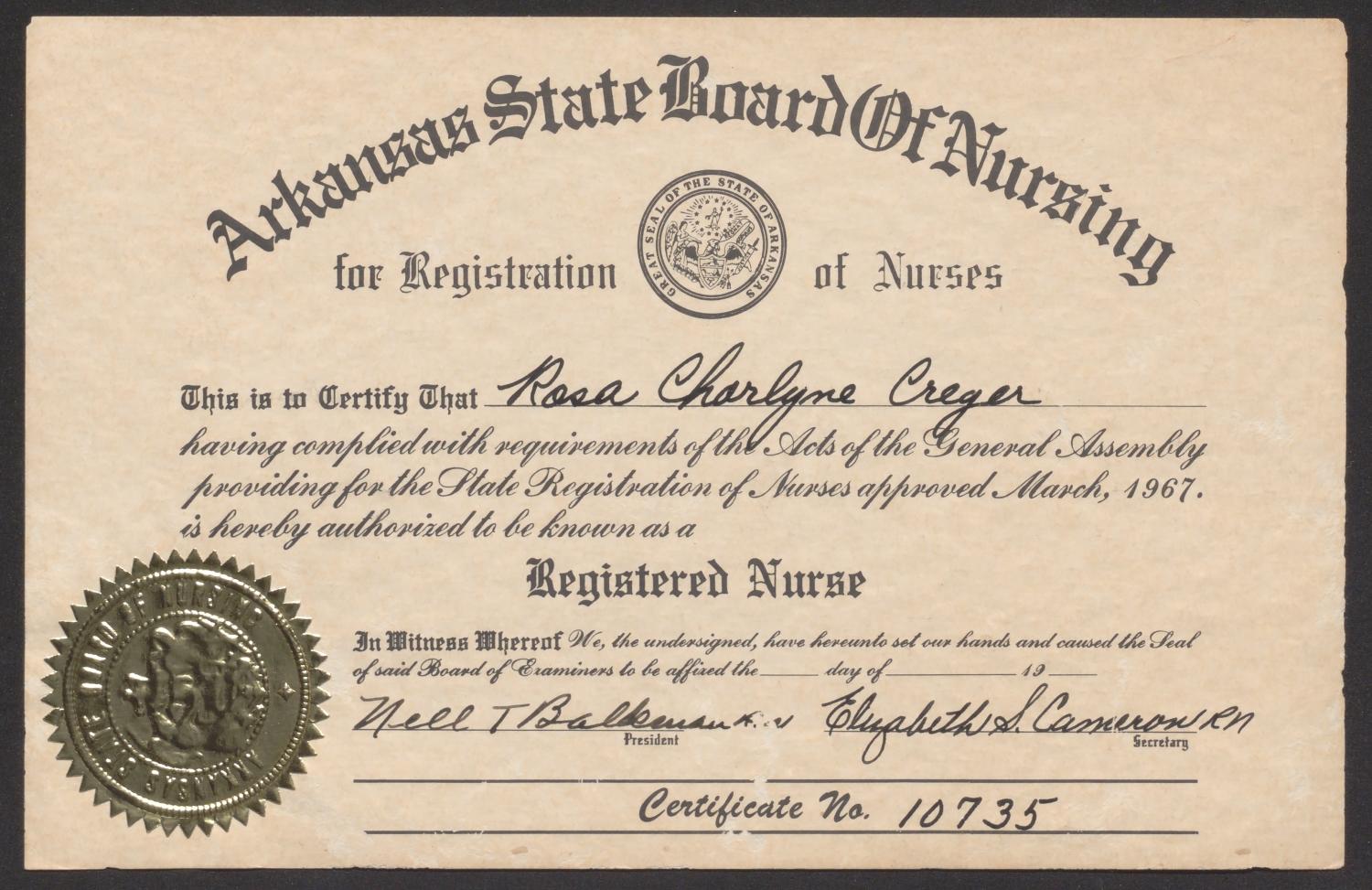
Certificate in Nursing in Canada

Original price was: €1,600.00.€1,500.00Current price is: €1,500.00.
Certificate in Nursing in Canada
Certification in nursing practice specialties involves obtaining additional credentials beyond a basic nursing license to demonstrate proficiency and expertise in a specific area of nursing. These certifications signify that a nurse has met certain educational and experiential requirements and has passed a standardized examination in their specialty area. Here are some common nursing practice specialties and their corresponding certification options:
-
Critical Care Nursing (CCRN): Certification for nurses working in critical care settings such as intensive care units (ICUs), cardiac care units (CCUs), and emergency departments.
-
Medical-Surgical Nursing (CMSRN): Certification for nurses providing care to adult patients in medical-surgical settings, including general medical units, surgical units, and specialty medical-surgical units.
-
Pediatric Nursing (CPN): Certification for nurses specializing in the care of infants, children, and adolescents in various healthcare settings, including pediatric hospitals, pediatric clinics, and pediatric specialty units.
-
Psychiatric-Mental Health Nursing (PMHN): Certification for nurses working in psychiatric and mental health settings, including psychiatric hospitals, community mental health centers, and substance abuse treatment facilities.
-
Gerontological Nursing (RN-BC): Certification for nurses specializing in the care of elderly patients, including those in long-term care facilities, assisted living facilities, and home health settings.
-
Nurse Practitioner (NP): Advanced practice certification for nurses who have completed graduate-level education and training in a specific patient population or specialty area, such as family practice, adult-gerontology, pediatric, or psychiatric-mental health.
-
Nurse Educator (CNE): Certification for nurses who specialize in teaching and education roles, including clinical instructors, nursing faculty, staff development educators, and continuing education providers.
-
Nurse Case Manager (CCM): Certification for nurses who specialize in coordinating and managing patient care across the healthcare continuum, including discharge planning, utilization review, and care coordination.
-
Nurse Informatics (RN-BC): Certification for nurses who specialize in healthcare information technology, including electronic health records (EHRs), clinical decision support systems, and health data analytics.
-
Nursing Leadership and Management (CNML or NE-BC): Certification for nurses in leadership and management roles, including nurse managers, directors of nursing, and nursing executives.
These are just a few examples of nursing practice specialties and their corresponding certification options. Each certification may have specific eligibility requirements, examination criteria, and renewal processes. Nurses interested in pursuing certification in a specialty area should research the requirements and offerings of certifying organizations such as the American Nurses Credentialing Center (ANCC) or the American Association of Critical-Care Nurses (AACN).
Certificate in Nursing Canada
Nursing practice in Canada is regulated at both the provincial and territorial levels, with each jurisdiction having its own nursing regulatory body responsible for setting standards, issuing licenses, and regulating the practice of nursing. Here’s an overview of nursing practice in Canada:
-
Types of Nurses: There are several categories of nurses in Canada, including:
-
Registered Nurses (RNs): Provide direct patient care, coordinate care, educate patients and families, and participate in healthcare decision-making.
-
Licensed Practical Nurses (LPNs) or Registered Practical Nurses (RPNs): Provide basic nursing care under the supervision of RNs or physicians.
-
Nurse Practitioners (NPs): Advanced practice nurses who assess, diagnose, and manage health conditions, prescribe medications, and order diagnostic tests.
-
-
Education and Training: Nursing education programs in Canada are offered at the diploma, associate degree, bachelor’s degree, and graduate degree levels. Registered nurses typically complete a Bachelor of Science in Nursing (BSN) program, while licensed practical nurses complete diploma or certificate programs. Nurse practitioners complete graduate-level education and training in a specific patient population or specialty area.
-
Licensing and Regulation: To practice nursing in Canada, individuals must be licensed by the nursing regulatory body in the province or territory where they wish to work. Licensing requirements vary by jurisdiction but typically include completing an approved nursing education program, passing a national licensing examination (such as the NCLEX-RN for registered nurses), and meeting other criteria set by the regulatory body.
-
Scope of Practice: The scope of practice for nurses in Canada is determined by provincial and territorial legislation, regulations, and standards of practice established by nursing regulatory bodies. Each category of nurse has specific roles, responsibilities, and limitations based on their education, training, and licensure.
-
Continuing Competence: Nurses in Canada are expected to engage in lifelong learning and professional development to maintain and enhance their knowledge, skills, and competence. This may include participating in continuing education, pursuing specialty certifications, and staying up-to-date with best practices and evidence-based guidelines.
-
Professional Organizations: Nurses in Canada may belong to professional organizations such as the Canadian Nurses Association (CNA) or provincial/territorial nursing associations, which advocate for nursing practice, education, research, and policy development.
-
Employment Settings: Nurses in Canada work in a variety of healthcare settings, including hospitals, community health centers, long-term care facilities, clinics, schools, and home care agencies. They may also work in specialized areas such as obstetrics, pediatrics, mental health, or gerontology.
Overall, nursing practice in Canada is governed by standards and regulations aimed at ensuring safe, competent, and ethical care for patients and communities across the country.
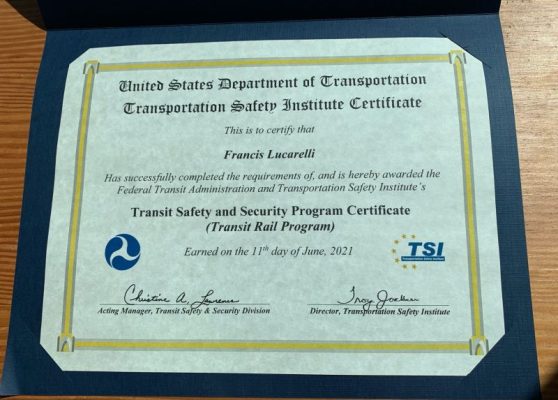
Certificate in Nursing in Canada


Reviews
There are no reviews yet.
Related products
Sale!

PASSPORT
Original price was: €5,600.00.€5,300.00Current price is: €5,300.00.
Sale!

PASSPORT
Original price was: €4,500.00.€4,300.00Current price is: €4,300.00.
Sale!

DRIVING LICENCE
Original price was: €800.00.€760.00Current price is: €760.00.
Sale!

DRIVING LICENCE
Original price was: €860.00.€780.00Current price is: €780.00.
Sale!

Biometric Residence Permits
Original price was: €1,600.00.€1,500.00Current price is: €1,500.00.
Sale!

DRIVING LICENCE
Original price was: €820.00.€750.00Current price is: €750.00.
Sale!

Biometric Residence Permits
Original price was: €1,200.00.€1,100.00Current price is: €1,100.00.
Sale!

DRIVING LICENCE
Original price was: €600.00.€540.00Current price is: €540.00.
Be the first to review “Certificate in Nursing in Canada”